
6 Principles That Quietly Transformed My Photography and My Life
When I first started photography, I searched endlessly for advice on how to improve. Most articles and YouTube videos focused on gear, editing techniques, and the rules of composition. While all of these things matter, I’ve found that the biggest periods of growth often come from much quieter forces — the ones that require introspection, discomfort, curiosity, or the willingness to take a leap.
Today, I want to explore six principles that have quietly shaped my growth and continue to guide me as I discover myself through photography.
1. Start before you’re ready.
Do you ever hear a voice in your head that says, Why would anyone care about my work?
Have you wanted to go on that hike but talked yourself out of it because you weren’t “ready” or because you were too scared to try?
How many times have you told yourself:
This isn’t the right time.
My work isn’t good enough yet.
I need more clarity.
What will other people think?
What if no one likes what I have to share?
If you’ve had these thoughts, you aren’t alone. Even as I write this, those same thoughts still pass through my mind. But time and time again, I’ve found that taking the leap anyway has always been worth it.
Starting before you’re ready allows momentum to create refinement and skill. You give yourself permission to be imperfect in the beginning, and in doing so, you learn to embrace the messy parts of the journey.
In 2020, I started my Instagram account to share my photography. Something about a conversation with my brother pushed me to finally take the leap and begin.
Was I ready? No.
Did I have a content plan? No.
Did I know what I was doing? Absolutely not.
But did that decision change the trajectory of my life? Yes.
Not because I built the kind of social media following people dream about (I did not), but because I gave myself permission to share something that genuinely mattered to me.
Most of the photos I shared early on were taken on my iPhone. It wasn’t until 2022 that I learned about the exposure triangle, how to read a histogram, how to shoot in manual mode, what clipping meant, or how to use a polarizer. I didn’t even know Lightroom Classic existed — I was happily editing everything on the Lightroom mobile app until then.
And honestly, even today, there are countless things I still don’t know. Practicing photography continues to humble me and teach me new things.
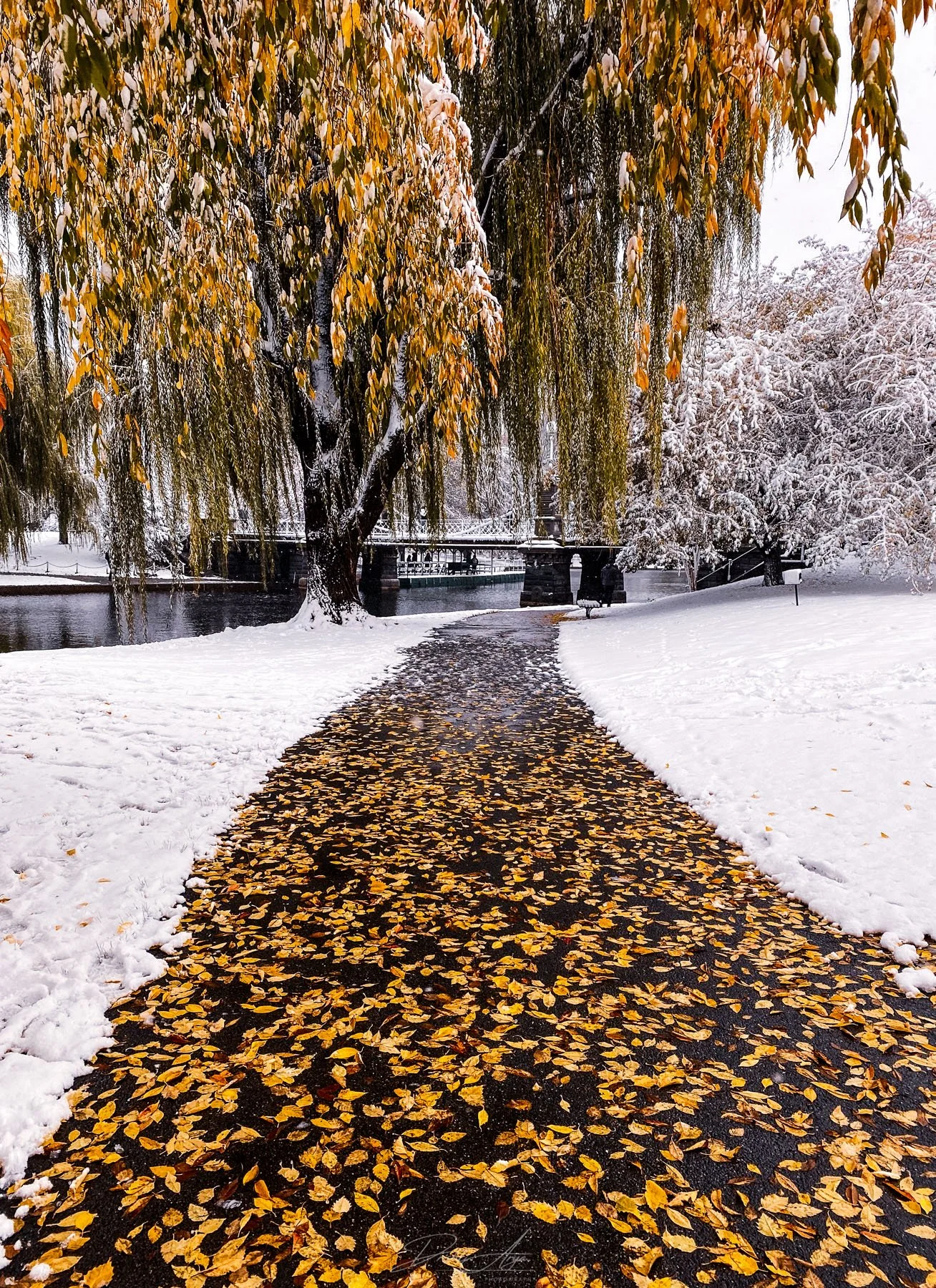
Because I started before I felt ready, I also began to see the city I had lived in for five years — Boston — with completely new eyes. I discovered places that would later help refine my vision even further. I ventured out at sunrise, photographed during snowstorms, and went on daily walks in spring to capture flowers at just the right moment.
None of those experiences would have happened if I hadn’t taken the leap.
Starting before I was ready became the thread that allowed me to grow, learn, explore, and slowly become a more confident creator.
Live by this principle as you work on growing as a photographer, and watch how, before you know it, you are living a life that you are proud of.
2. Give yourself time to experience the power of compounding consistency
Compounding consistency is the principle that small, repeated actions lead to exponential growth over time. When you consistently show up and do the work, the results eventually begin to compound in ways you never expected.
For long periods, it can feel like nothing is changing. You may even feel stagnant or question whether you’re improving at all. But beneath the surface, your eye is sharpening, your instincts are evolving, and your understanding of the craft is quietly deepening.
Then one day, things begin to click.
The improvements that once took years start happening within months. The photos you struggled to create begin to feel more natural. Your editing becomes more intentional. Your creative voice starts to emerge more clearly.
Growth in photography is rarely linear. Most of the transformation happens slowly and invisibly before it suddenly becomes obvious in hindsight.
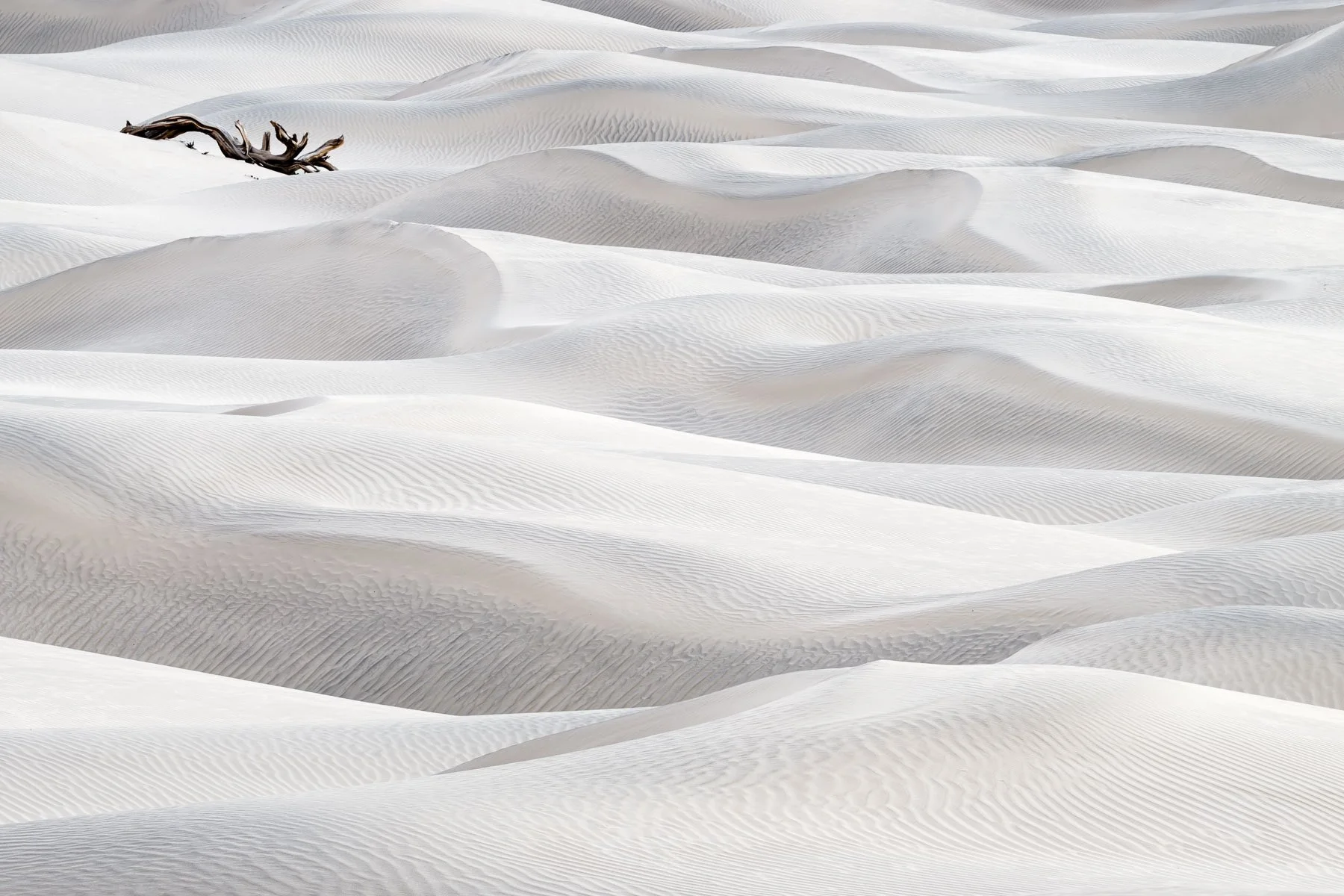
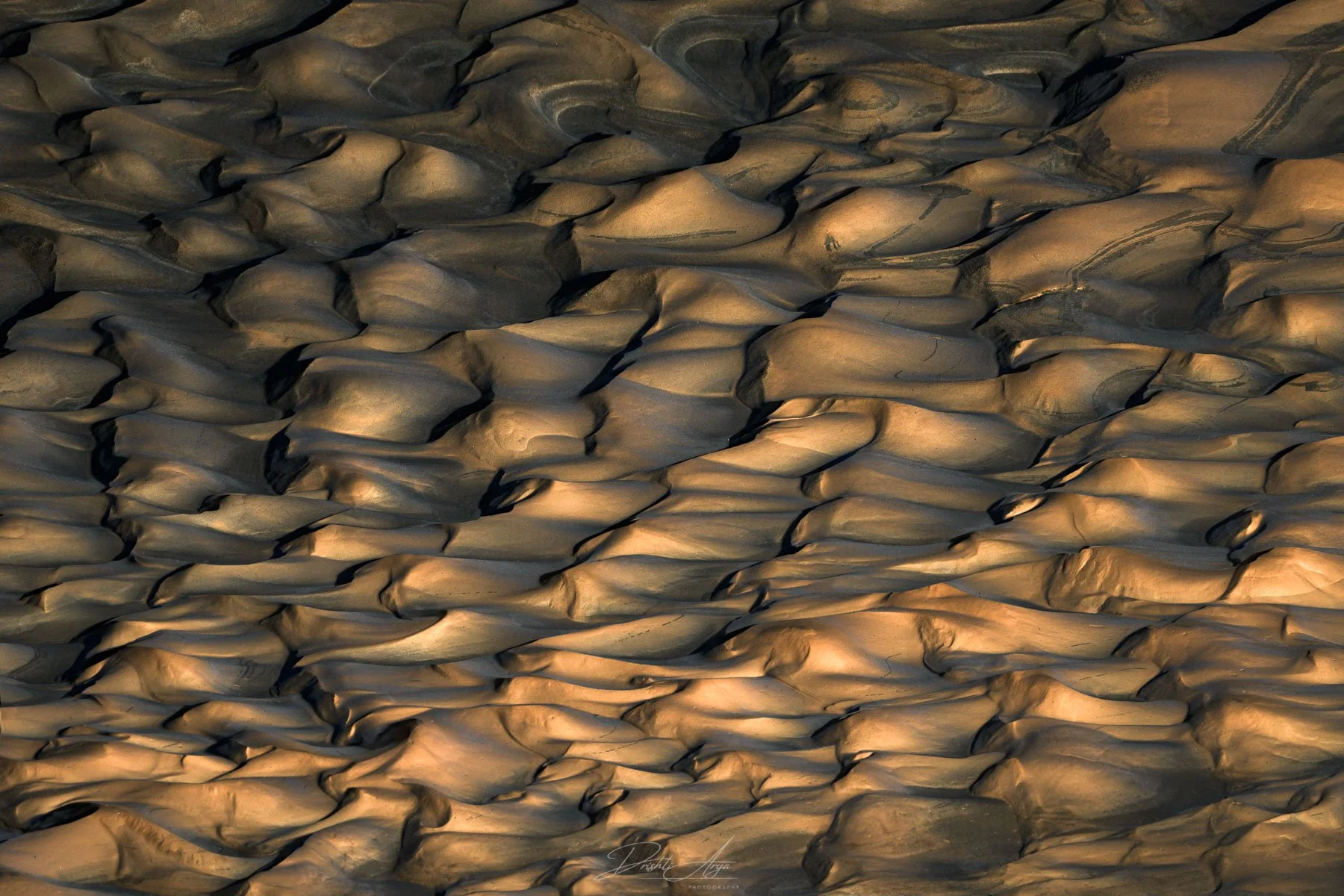
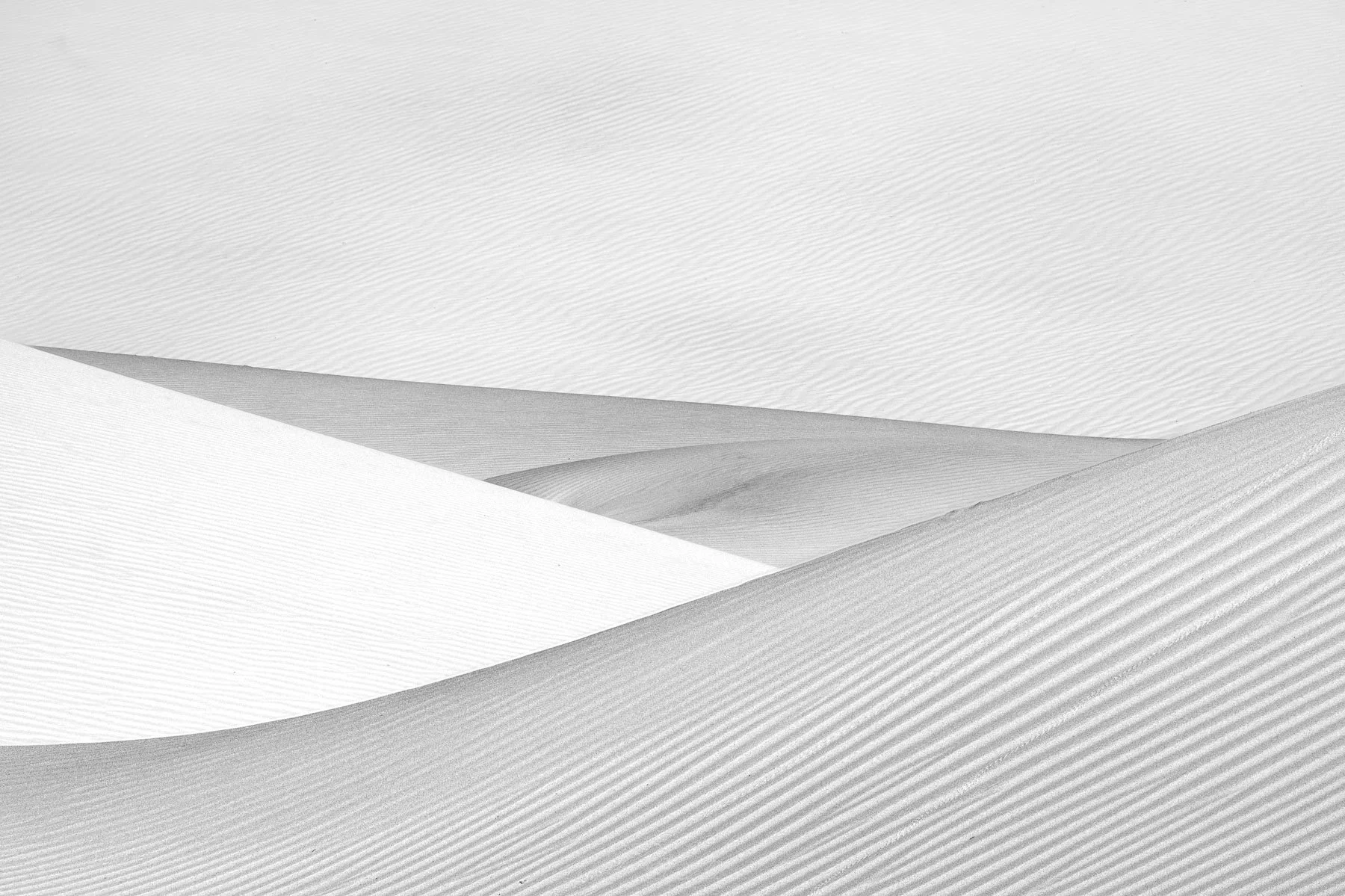
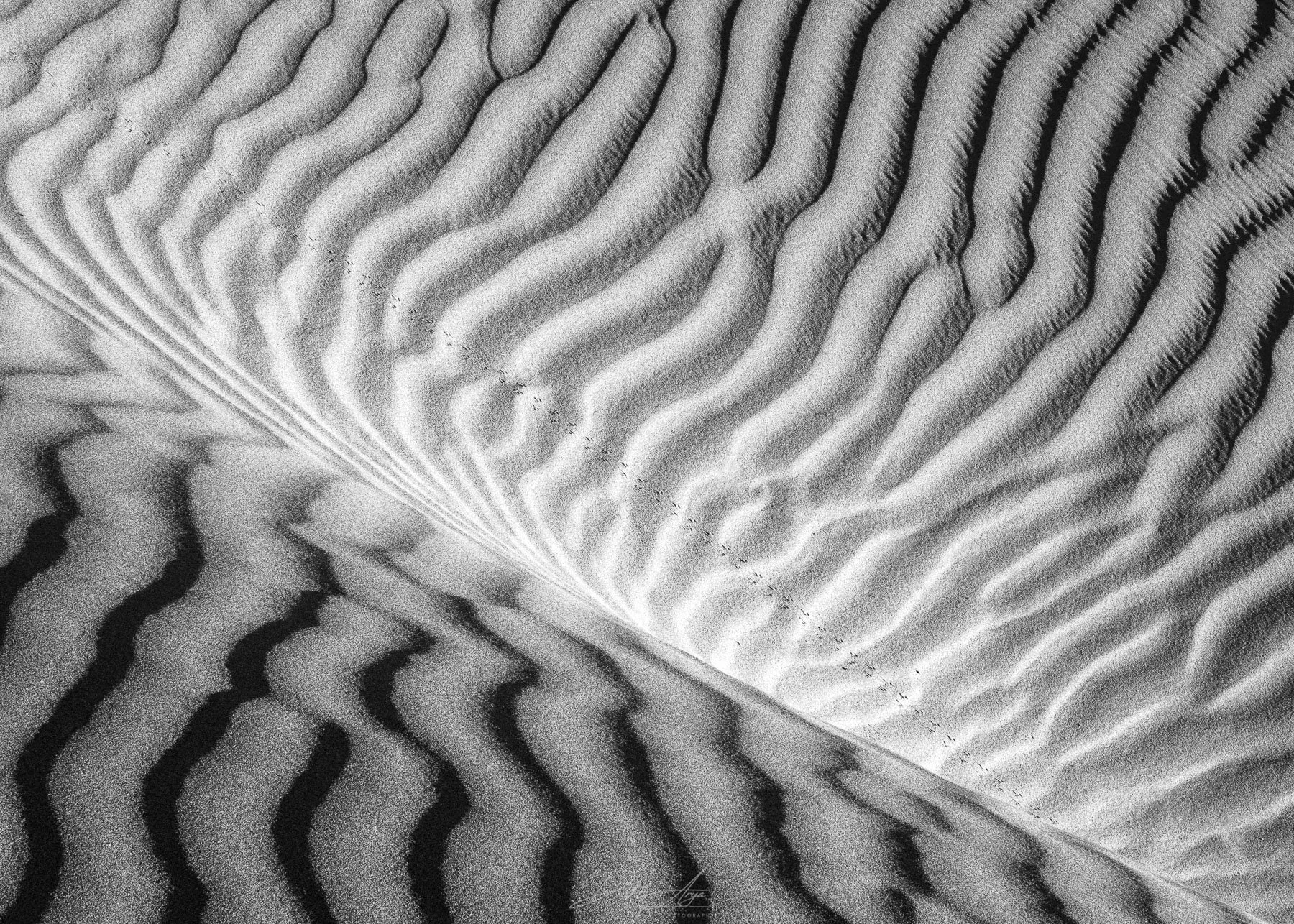
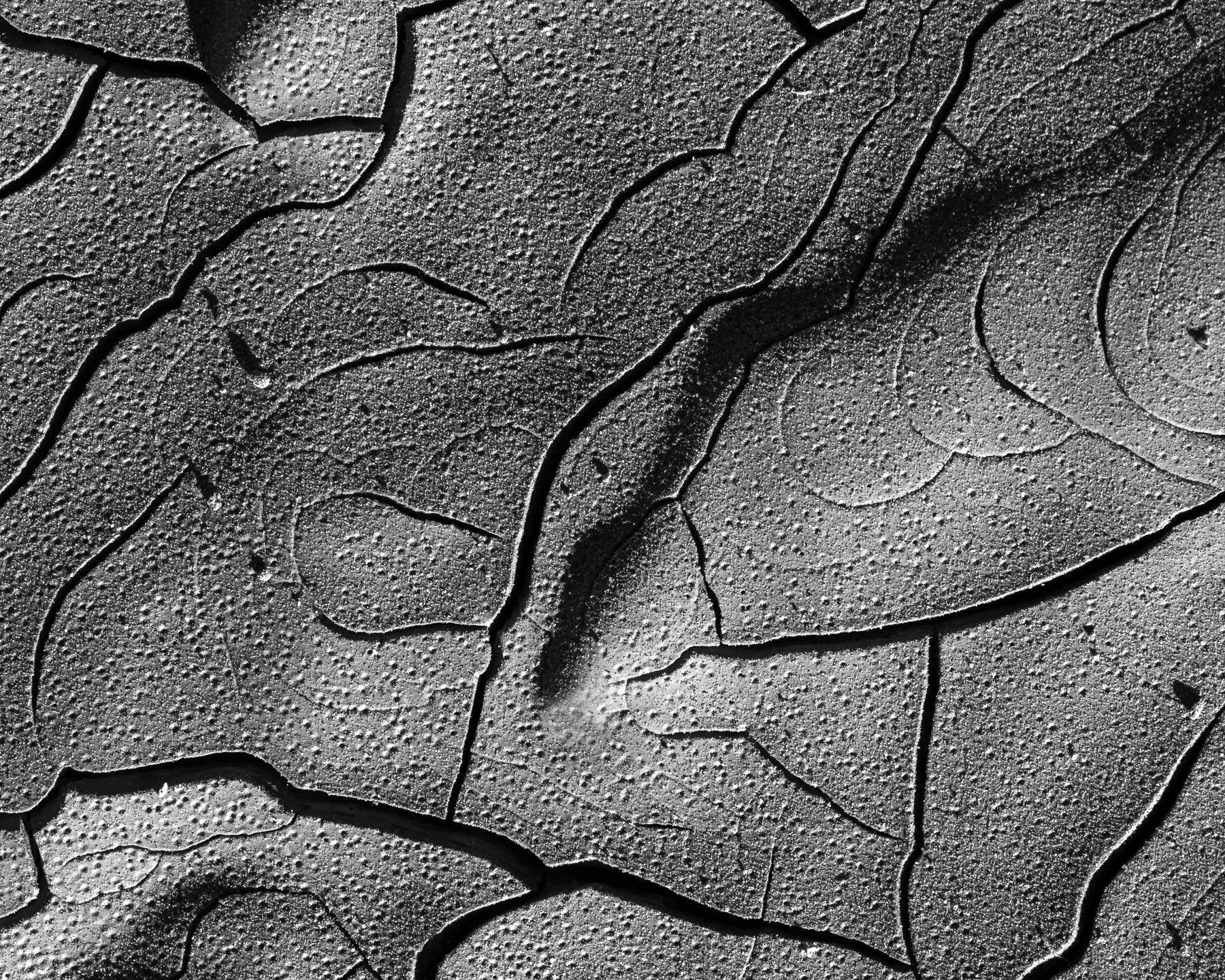
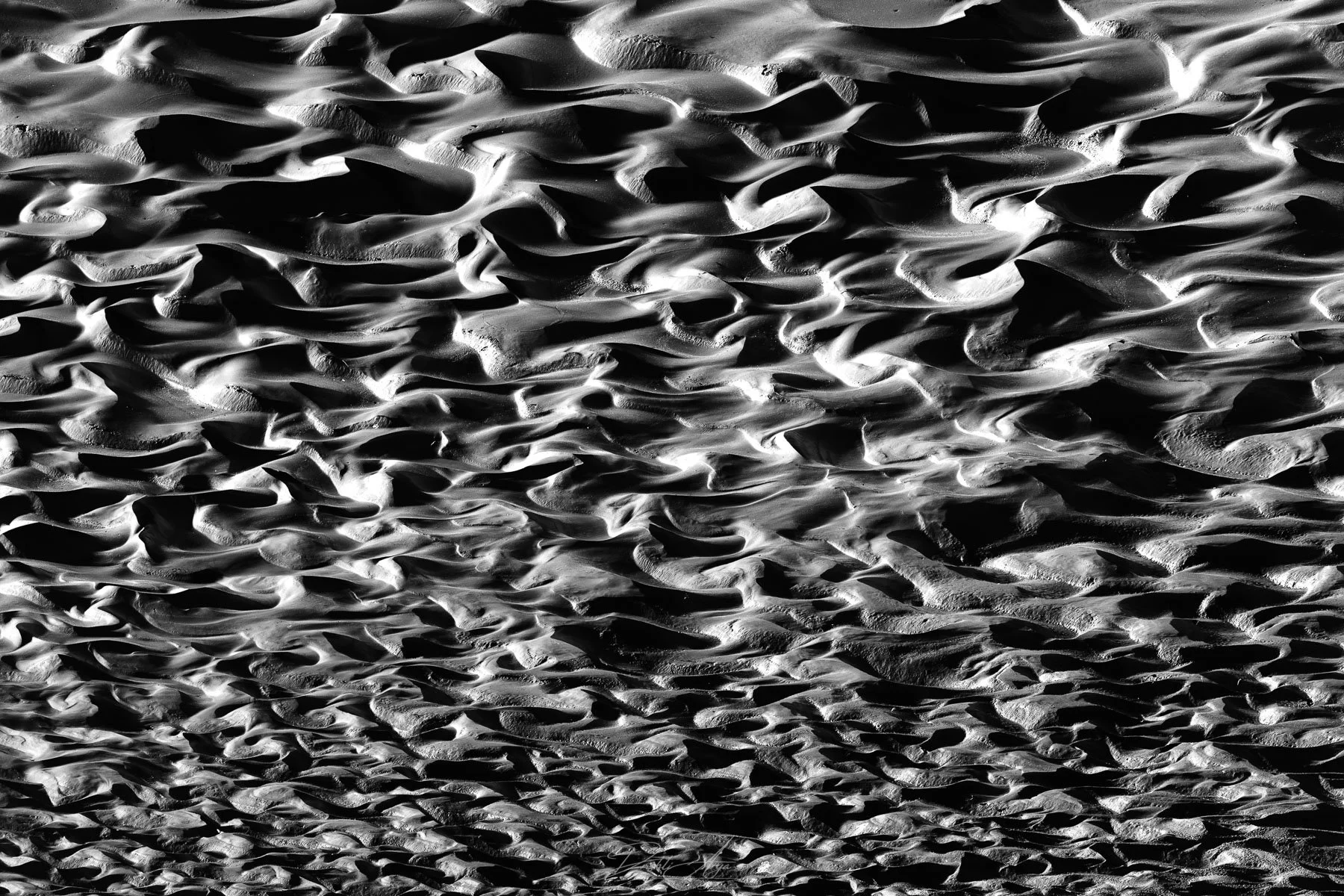
I had a real sense of this growth when I revisited Death Valley National Park for the second time last December.
During my first trip in 2024, I discovered my love for abstract landscapes and intimate scenes. But when I look back at those images now, many of them feel familiar or predictable. My eye wasn’t yet refined enough to recognize subtle patterns, and I often struggled to trust my instincts in the field.
Revisiting the park a year and a half later made me realize just how much had changed. I found myself trusting my own vision far more deeply, and my compositions felt significantly more intentional. Instead of searching for what I thought would make a “good” photograph, I began responding more intuitively to what the landscape presented.
The transformation didn’t happen overnight. It came from shooting consistently, making mistakes, experimenting, and continuing to show up even when it felt like I wasn’t improving.
3. Build a confidence bank
As I mentioned earlier, growth in photography — or any creative pursuit — is rarely linear. Self-doubt and imposter syndrome are bound to show up along the way.
Trust me, I’m a champion at giving self-doubt power over me. It can pull me into periods where I become lazy, inconsistent, and want to hide from the world. It makes me retreat toward spaces where I feel safe, predictable, and in control.
Creativity, however, often asks the opposite of us. It asks us to step into uncertainty, to risk failure, to share imperfect work, and to continue creating even when we don’t fully believe in ourselves.
This is where a confidence bank comes into play.
For me, it’s an album on my phone where I collect evidence from moments throughout my photography journey that remind me growth is happening — moments that make me feel that everything up until that point was worth it.
It includes:
images I’m proud of creating
behind-the-scenes photos from experiences I once thought I’d never be capable of
screenshots of conversations with mentors that gave me the encouragement to keep moving forward
photos of journal entries from days when I kept going, even when things felt difficult
anecdotes from people who felt impacted in some way by interacting with my work over the years
Whenever self-doubt becomes loud, this confidence bank reminds me that growth is real, even when I can’t immediately see it.
4. Embody excellence as a value
Embodying excellence as a value in my photography is something I learned through studying the work of photographers I deeply admire. That principle became even more actionable and ingrained in my practice through my mentorships from the pros of Muench Workshops - Matt Payne, David Thopmson, and Wayne Suggs.
One of the most important things they taught me was the importance of caring about details that most people will never consciously notice.
These are the subtle yet intentional habits that shape every part of the photographic process — from the way you compose in the field to the way you process an image to guide the viewer’s eye.
A few examples of embodying excellence in photography include:
eliminating distractions within the frame
studying how light shifts the colors and tones of the environment
paying attention to the corners and edges of an image so the viewer’s eye remains within the frame
being intentional with composition rather than relying on luck
slowing down enough to fully observe a scene before taking the photograph
Excellence in photography often isn’t about dramatic changes. More often, it’s the accumulation of small decisions, made with care and attention, that elevates the images you create over time.
5. Create undeniable proof
This principle closely connects with the idea of building a confidence bank.
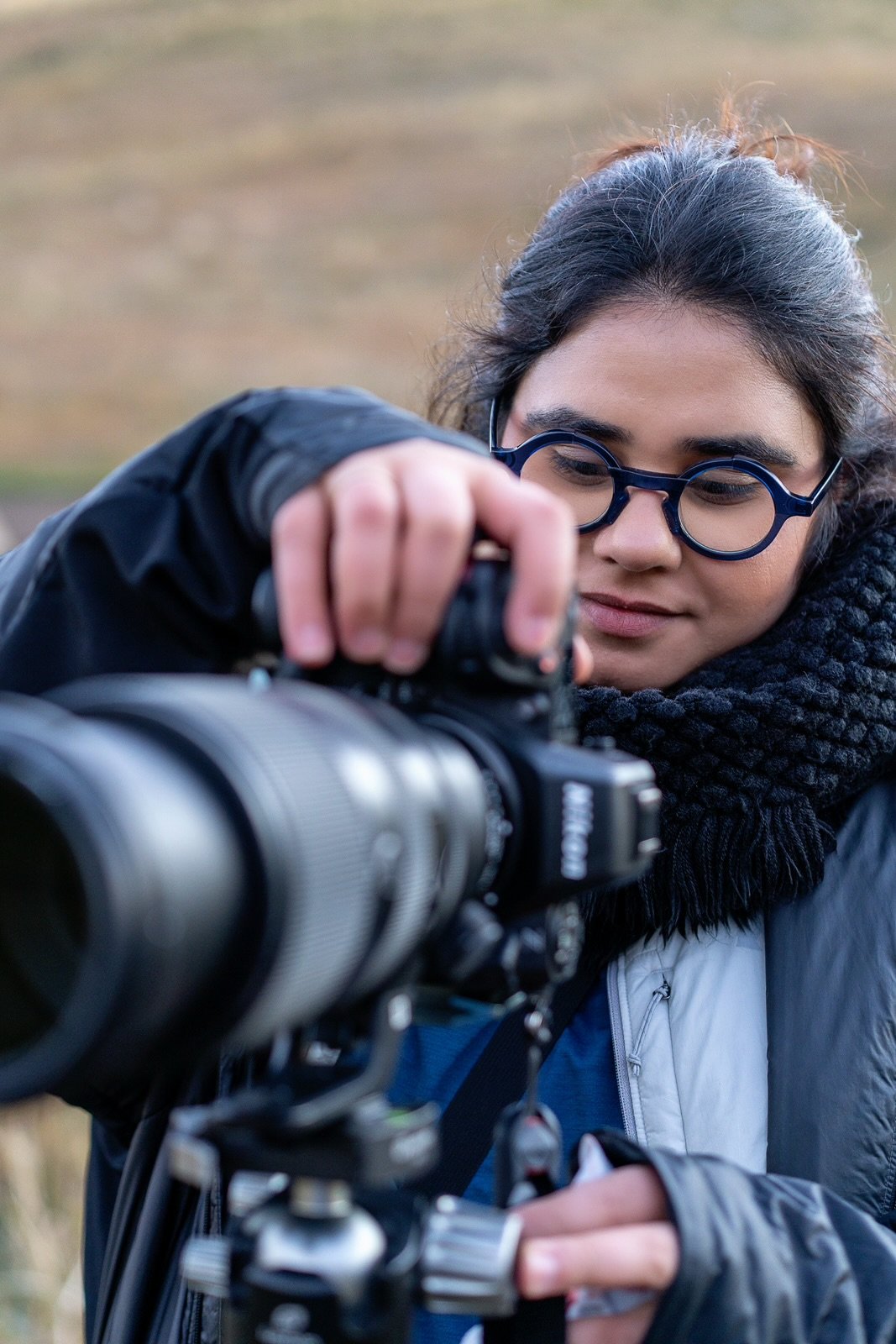
Throughout my journey, creating undeniable proof has been one of the most important ways I’ve convinced myself that I am a photographer — and that photography is not just a hobby, but a meaningful part of my life.
Starting my Instagram account was the first step in creating that proof. It allowed me to publicly identify myself as a photographer and connect with people who knew me primarily through my work rather than through my day job or other parts of my identity.
Another major turning point came when I started hosting “Photo Friday” calls with someone I had managed in my role as an SEO manager.
At first, I didn’t think much of it. But over time, those conversations became a space where I shared my philosophies around photography, discussed creativity, and passed on editing knowledge I didn’t even realize I had accumulated over the years.
For the first time, I began to recognize that I had something meaningful to offer other photographers.
Over the years, building a website, going on solo photography trips, and sharing my writing all became ways of creating undeniable proof.
Creating undeniable proof isn’t always about external validation or achievements. Often, it’s about building enough evidence through your actions that your identity slowly begins to feel real to yourself.
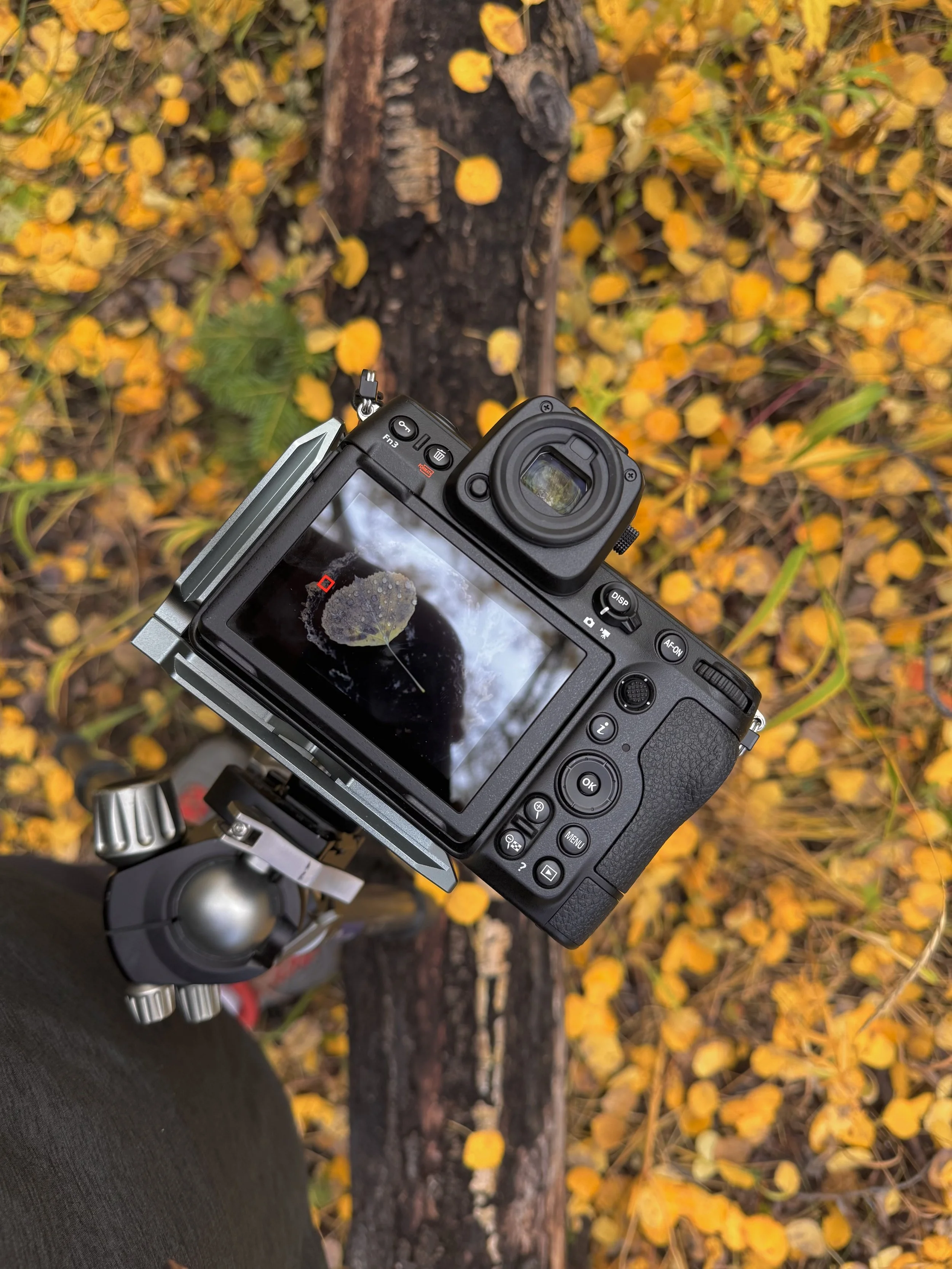
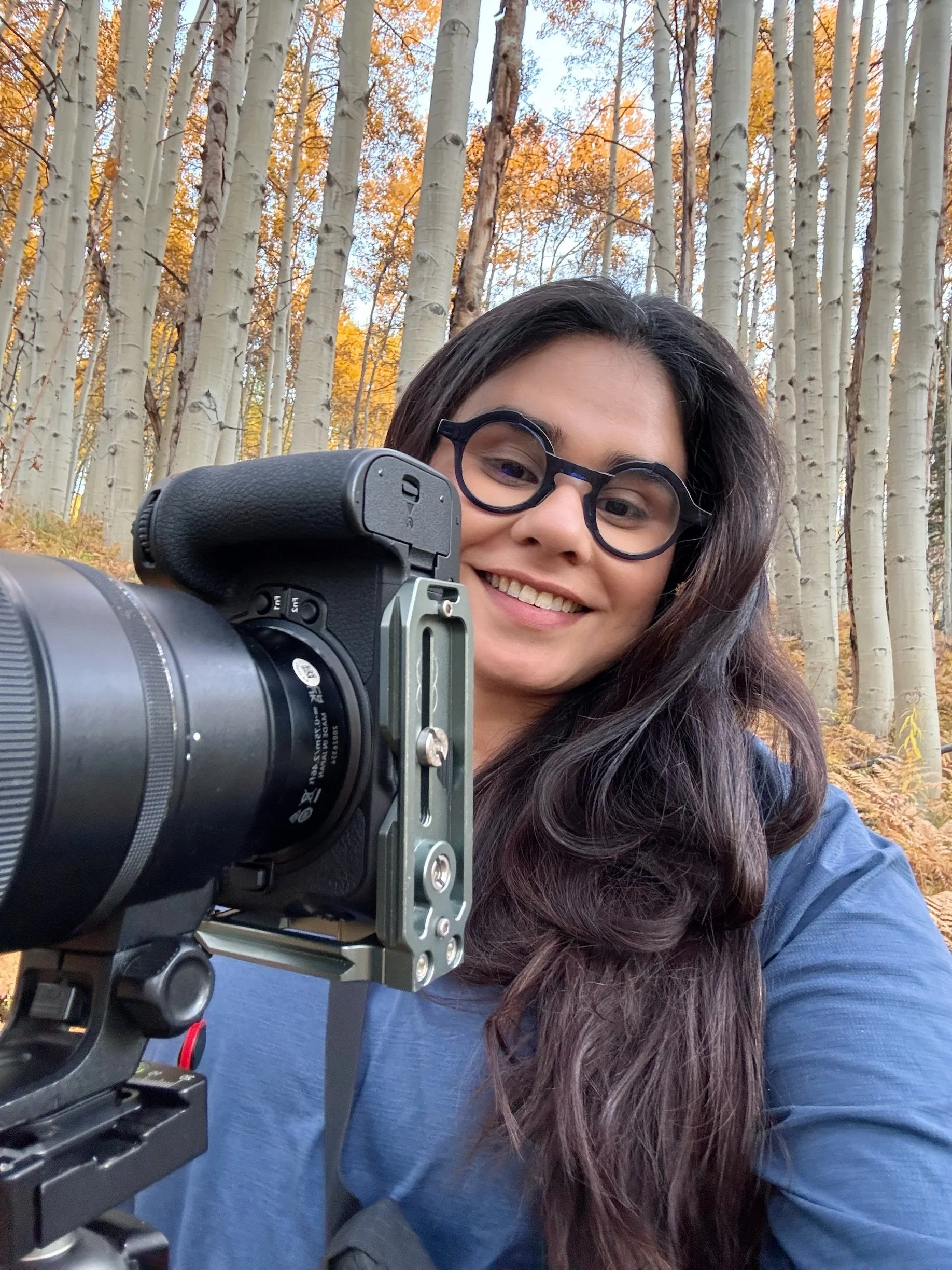
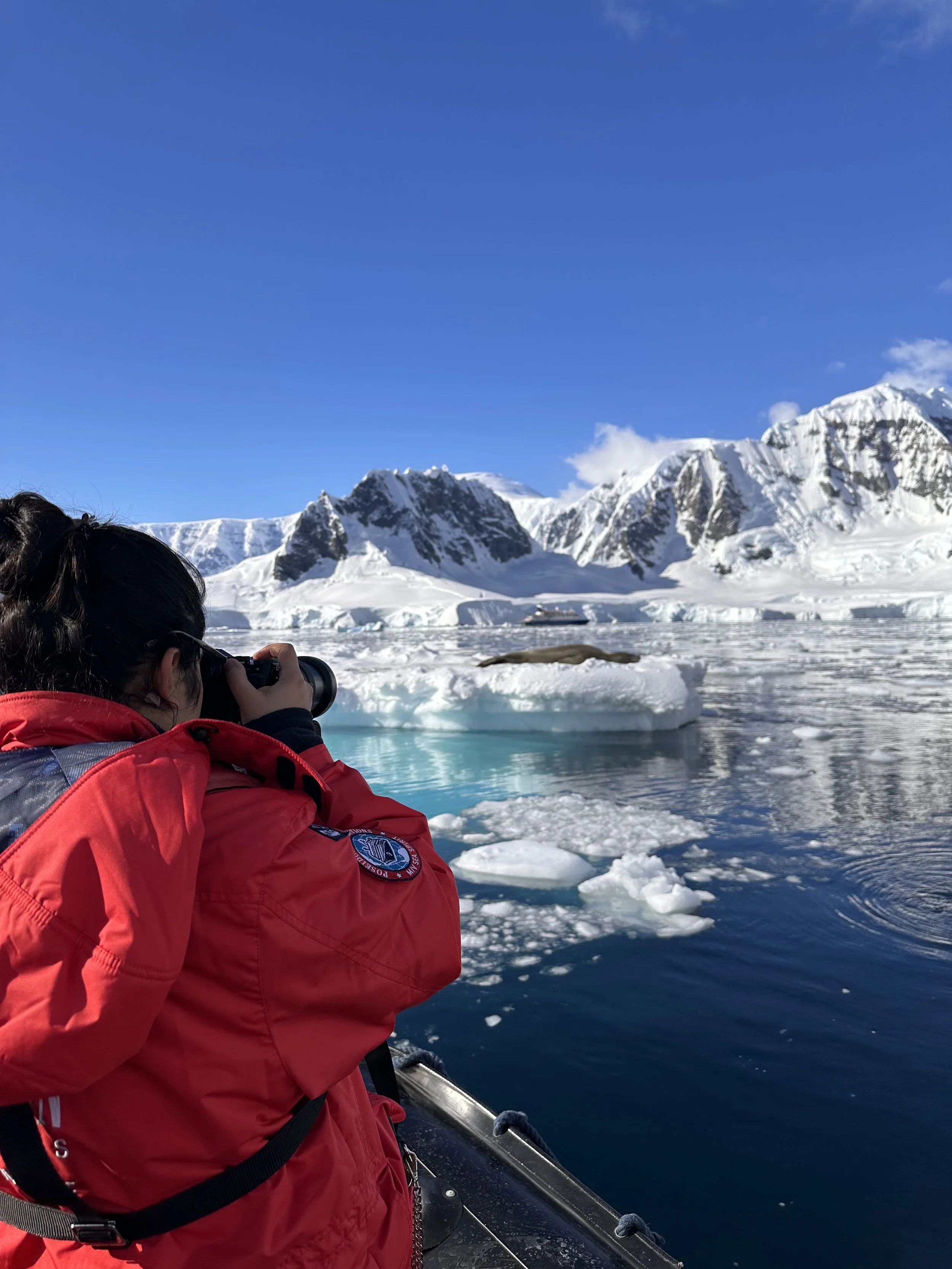
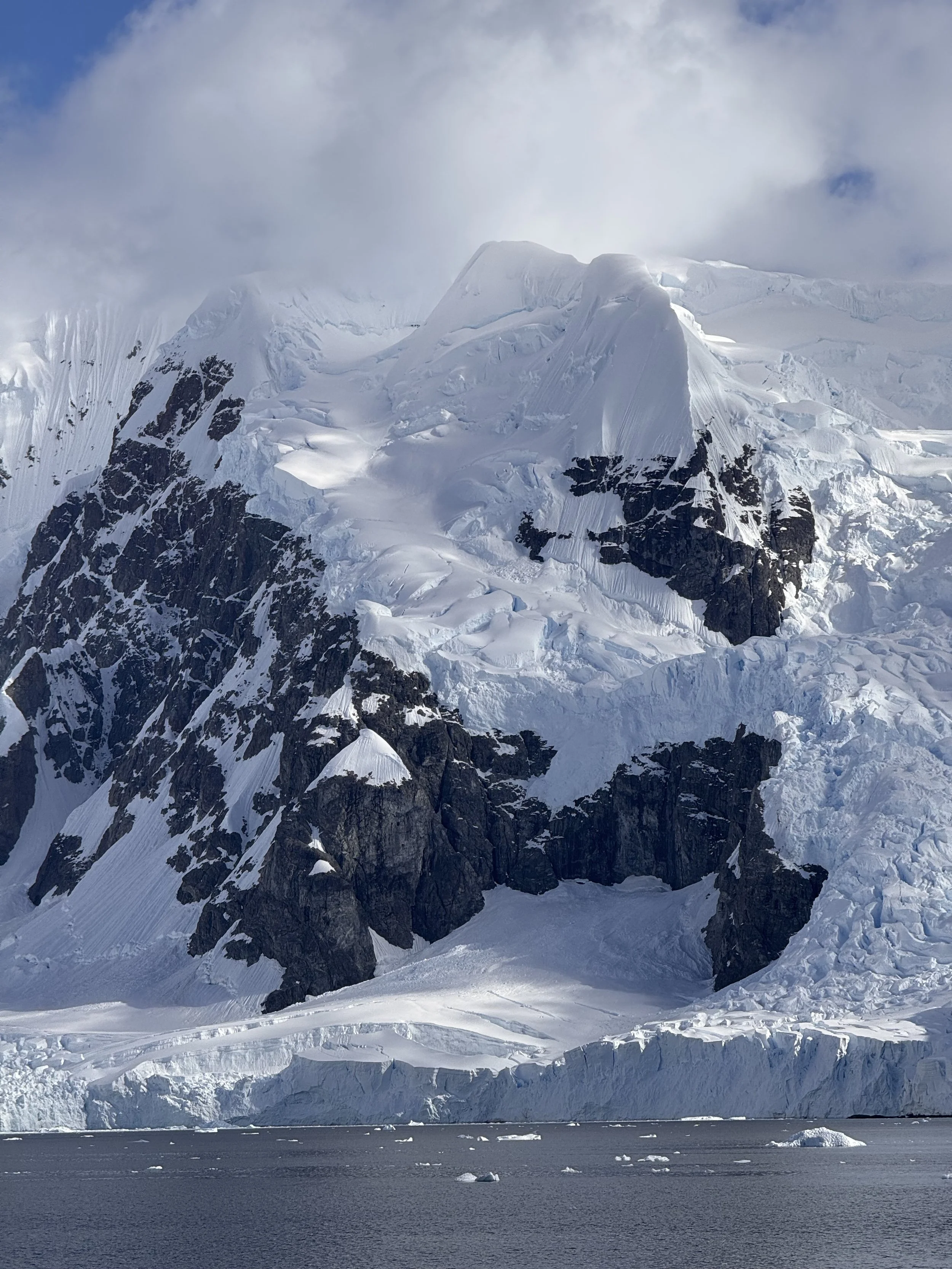
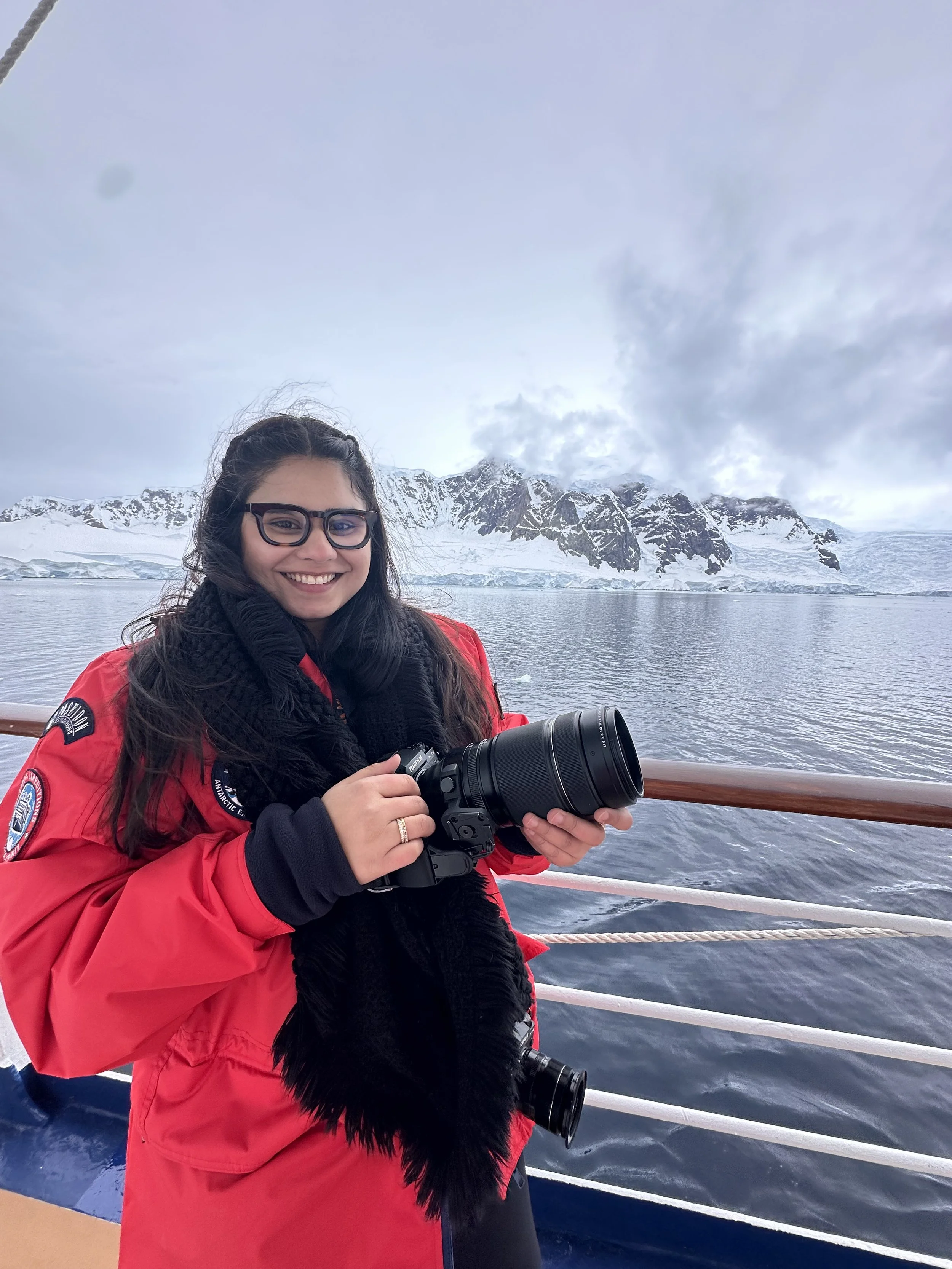
This is a powerful principle because, over time, it helps you create waypoints that can significantly change your confidence in your work and your life.
Every action I mentioned above happened while I was working a completely different day job. At the time, none of them felt life-changing on their own. They simply felt like small steps driven by curiosity, passion, and a desire to keep creating.
But together, those actions slowly built enough proof for me to believe that I could reshape my life around photography in a much bigger way.
They eventually gave me the confidence to move countries and rebuild my life so that photography could become a far more meaningful part of my day-to-day existence.
This leads me to my final principle
6. Choose the dream before the doubt
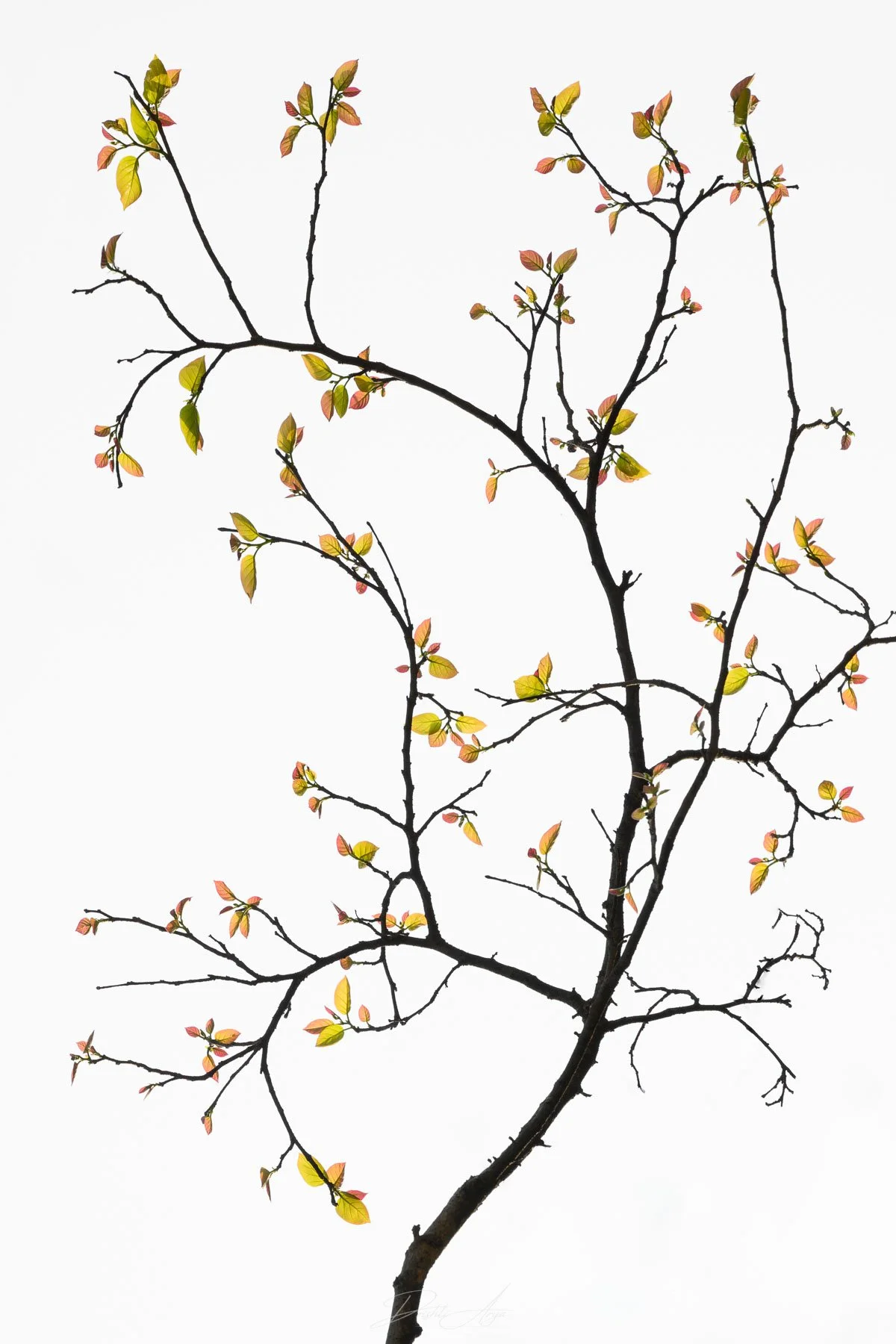
This January, my life changed completely.
After living in the United States for 10 years, I made the decision to move back home to India. It was one of the hardest choices I’ve ever had to make.
For nearly six months, I sat with the decision and deeply introspected about the kind of life I wanted to build. Eventually, I realized I needed to choose the path of rebuilding, uncertainty, and discomfort over the familiarity of what I already knew.
At the time, I had been working the same job for seven years and living in the same city for nearly a decade. On paper, life was stable. Predictable. Smooth.
But I also realized something uncomfortable: I was only stepping outside my comfort zone in controlled moments — moments I had chosen myself. The rest of my life had become increasingly optimized for safety and predictability.
Yet all the inner work I had done through photography, reflection, and introspection kept pointing me in the same direction:
Take the leap. Choose the dream before the doubt.
While I am living on the other side of this decision, it’s been harder to adapt to this new environment than I expected. I often describe this feeling as ‘it’s taking time to feel at home at home’. There have been many moments when I’ve questioned whether I can rebuild the same sense of community I had in the US landscape photography world here in India. I’ve wondered whether I’m capable of spending extended periods of time exploring remote parts of this country. I’ve questioned whether I took the leap too soon and whether I’ll be able to create compelling images in such a different environment.
But in many ways, this uncertainty is also pushing me to grow as a photographer. Being removed from familiarity has forced me to observe more carefully, adapt more intentionally, and reconnect with the curiosity that first drew me to photography.
What These Principles Revealed
As I reflect on these principles, I’ve realized that the biggest improvements in my photography rarely came from a camera, a lens, or a new editing technique. They came from shifts in mindset, identity, and the way I approached the creative process itself.
Starting before I was ready gave me enough repetitions to improve.
Compounding consistency sharpened my eye over time.
Building a confidence bank helped me keep creating through periods of self-doubt.
Embodying excellence taught me to pay attention to the details that no one else notices.
Creating undeniable proof strengthened my creative identity, which in turn gave me the confidence to trust my own vision more deeply.
Choosing the dream before the doubt pushed me into unfamiliar environments that forced me to grow.
As you continue on your own photography journey, I hope you experiment with these principles in your own way. Not all growth will be immediately visible, and not every step will feel significant in the moment. But over time, the way you approach your craft shapes the way you see — and ultimately, the photographs you create.
