
Issue 03: The 90 Degree Difference
Before you delete an image that isn't quite working, try one simple experiment: rotate it.
Changing the orientation in post-processing can transform an ordinary frame into something unexpected, challenging the viewer's sense of direction and revealing a composition that feels entirely new.
I first tried this approach two years ago, and it resulted in a photograph that remains one of my personal favorites to this day.
Since then, rotating images has become a standard part of my editing process. Before deciding whether a photograph works, I always view it at 0°, 90°, 180°, and 270°.
Over time, this practice has reshaped the way I see. I now recognize compositions that are likely to benefit from rotation, sometimes even before I press the shutter. What began as an experiment has become an important compositional tool.
How the Practice Evolved
What fascinates me most is how dramatically a photograph can change without altering a single pixel. The following examples show how a simple rotation can create an entirely different visual experience.
An Unexpected Discovery
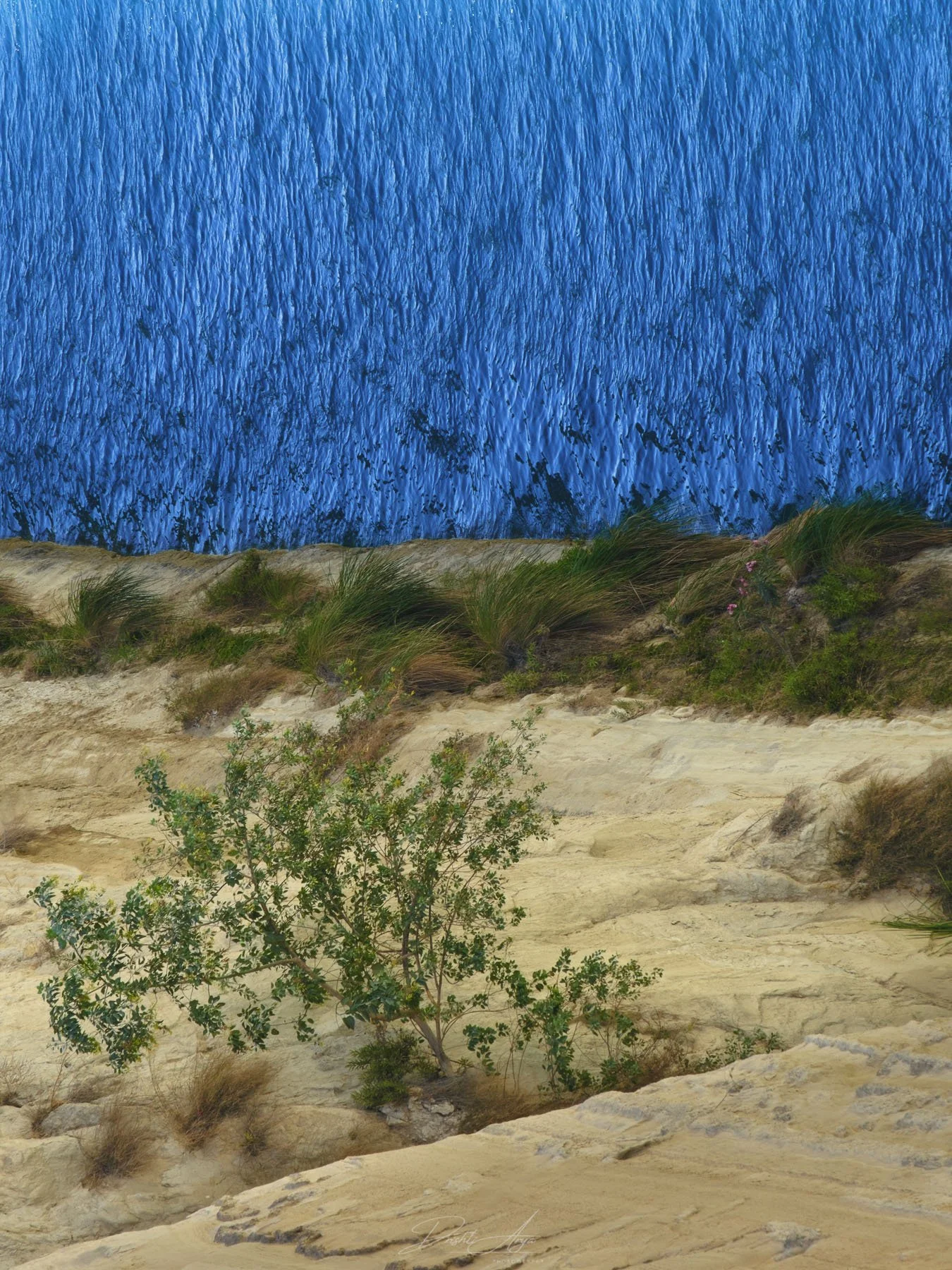
Final Image - Rotated 270° Clockwise
I captured this photograph at the well-known Corinth Canal, near Athens, during a family vacation. At the time, I was photographing in the middle of the day; what I then considered the worst possible light for photography. Harsh sunlight, blue skies, and a canal that didn't seem like a recipe for a compelling image.
I had recently become interested in photographing smaller scenes and details rather than grand landscapes, so I spent my time exploring the textures and patterns along the canal.
Later that day, while reviewing the images on my phone, I rotated the photograph almost instinctively. Something about the water wanted to become sky.
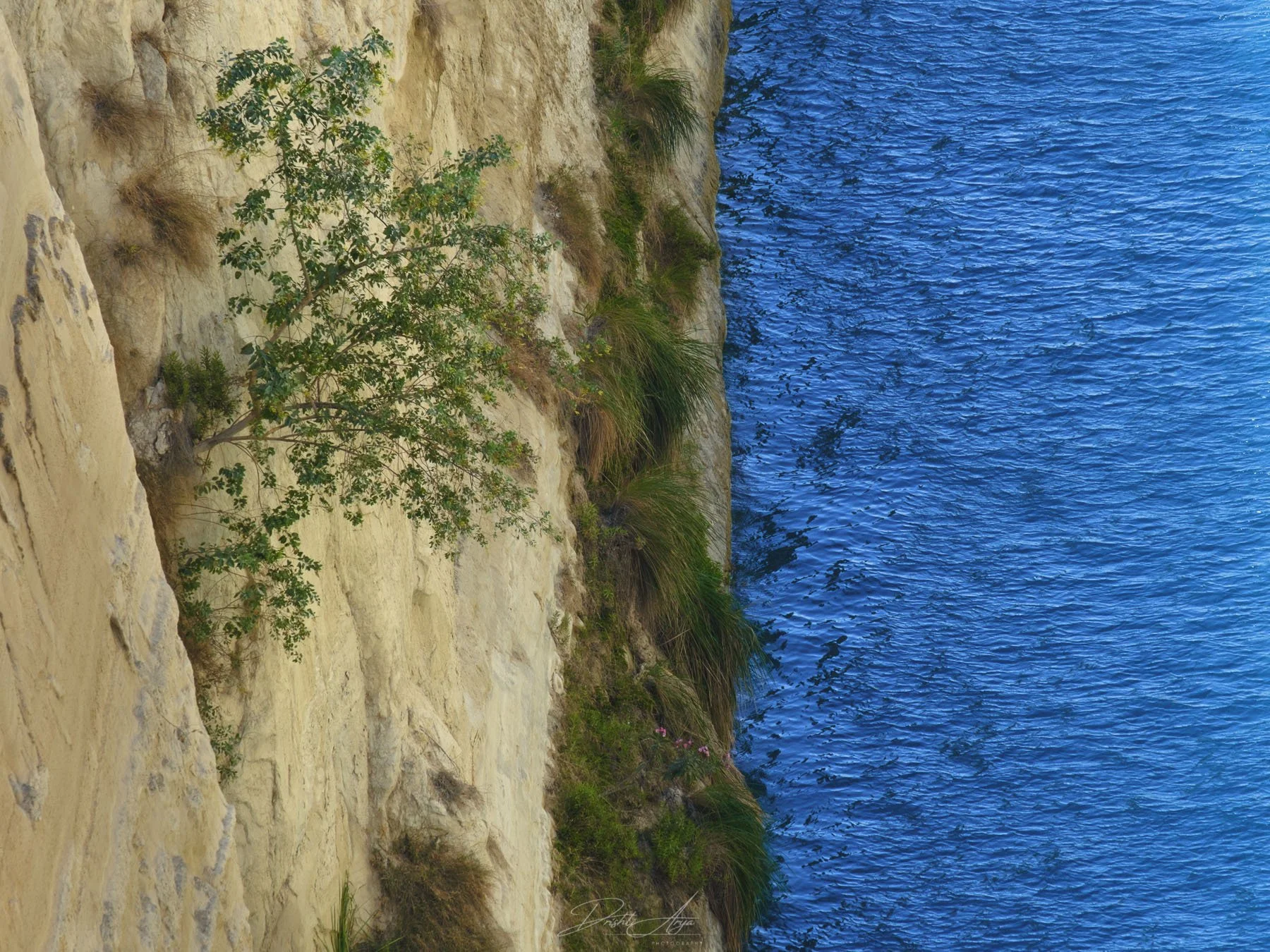

The transformation was immediate. I remember the excitement of seeing the image take on an entirely different character. What had started as an ordinary detail from a midday walk suddenly became something more ambiguous and intriguing.
A Deliberate Experiment
Over the following months, I found myself coming back to this technique, curious to see where else it might work. I realized that reflections and abstract patterns were especially well-suited to rotation.
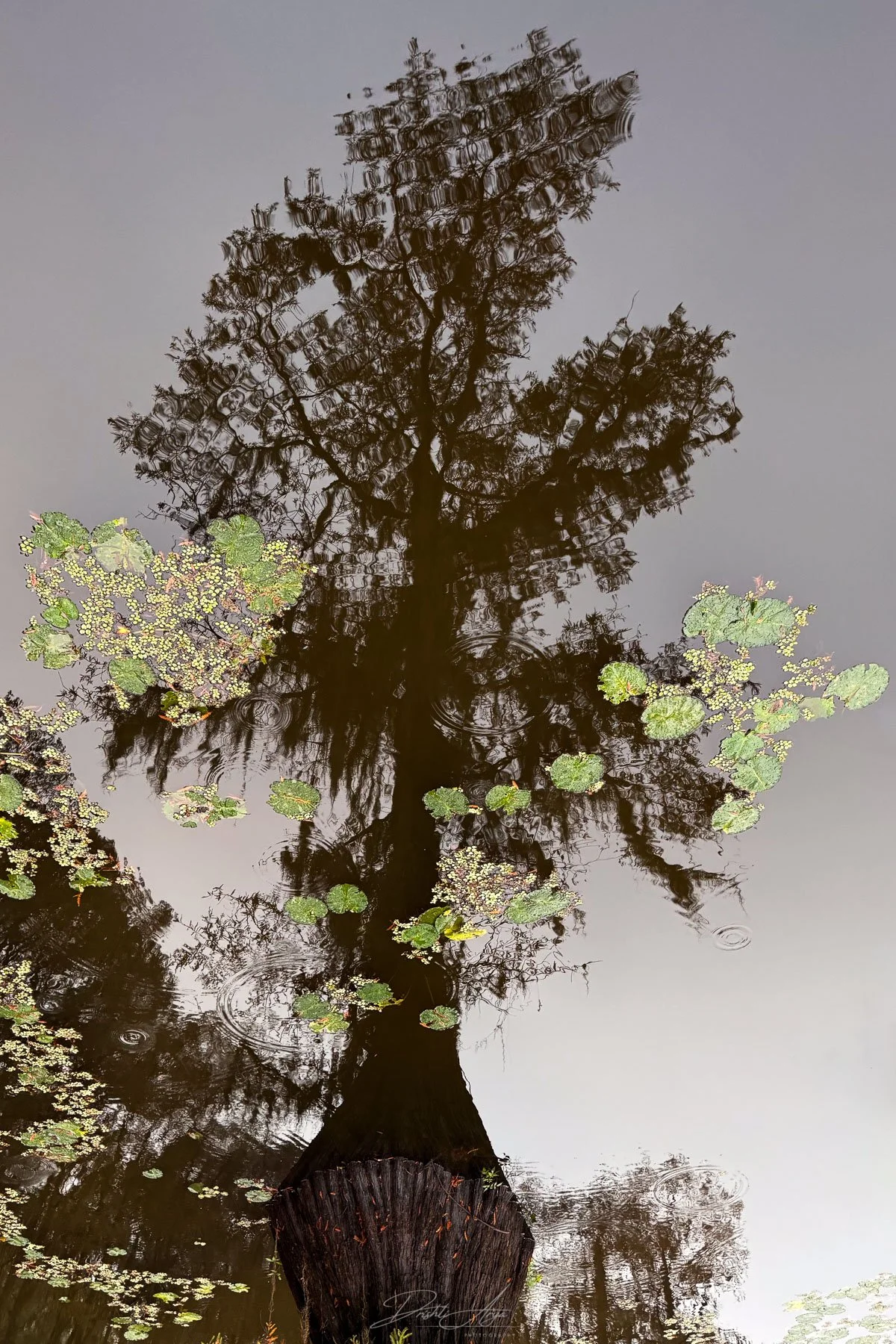
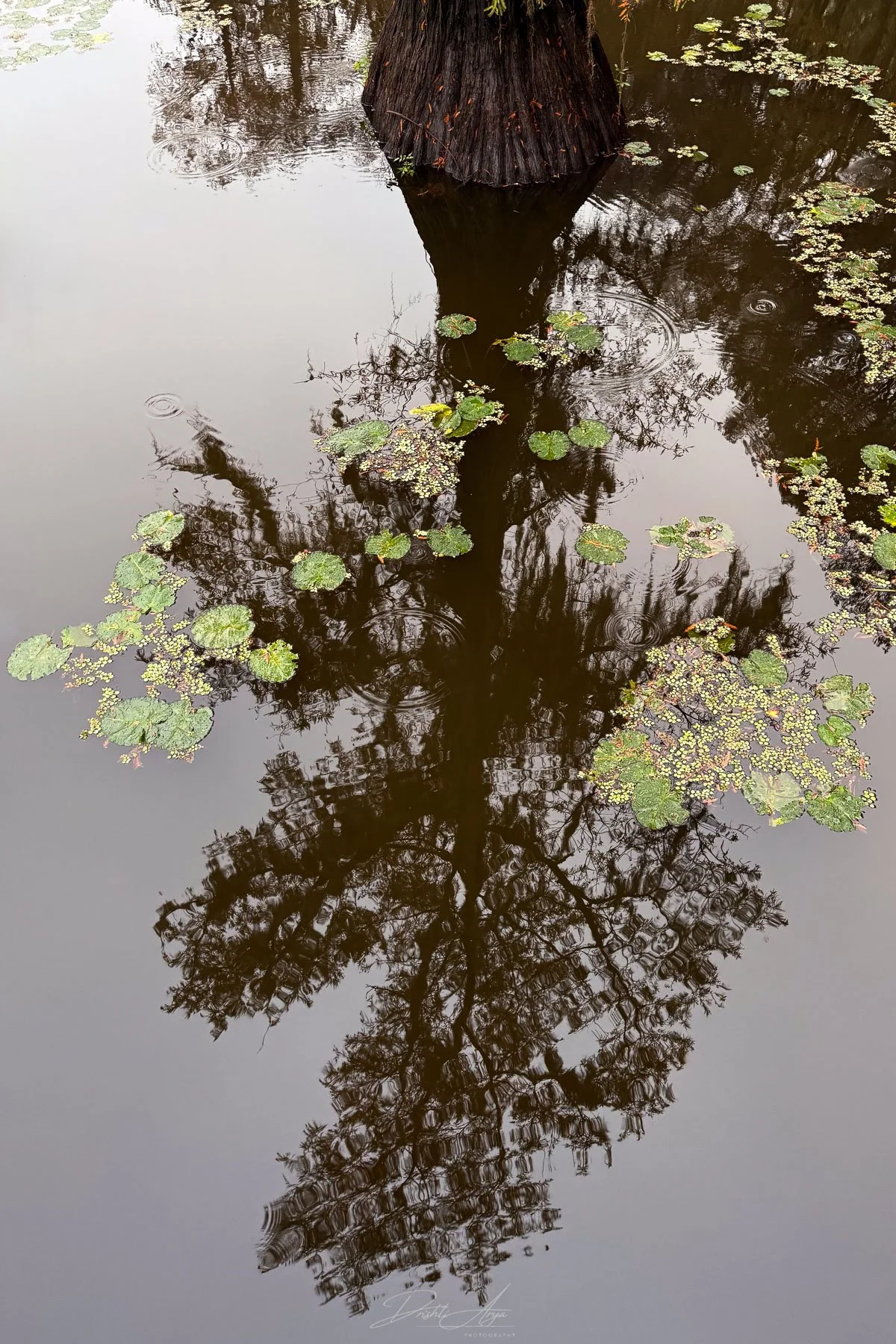
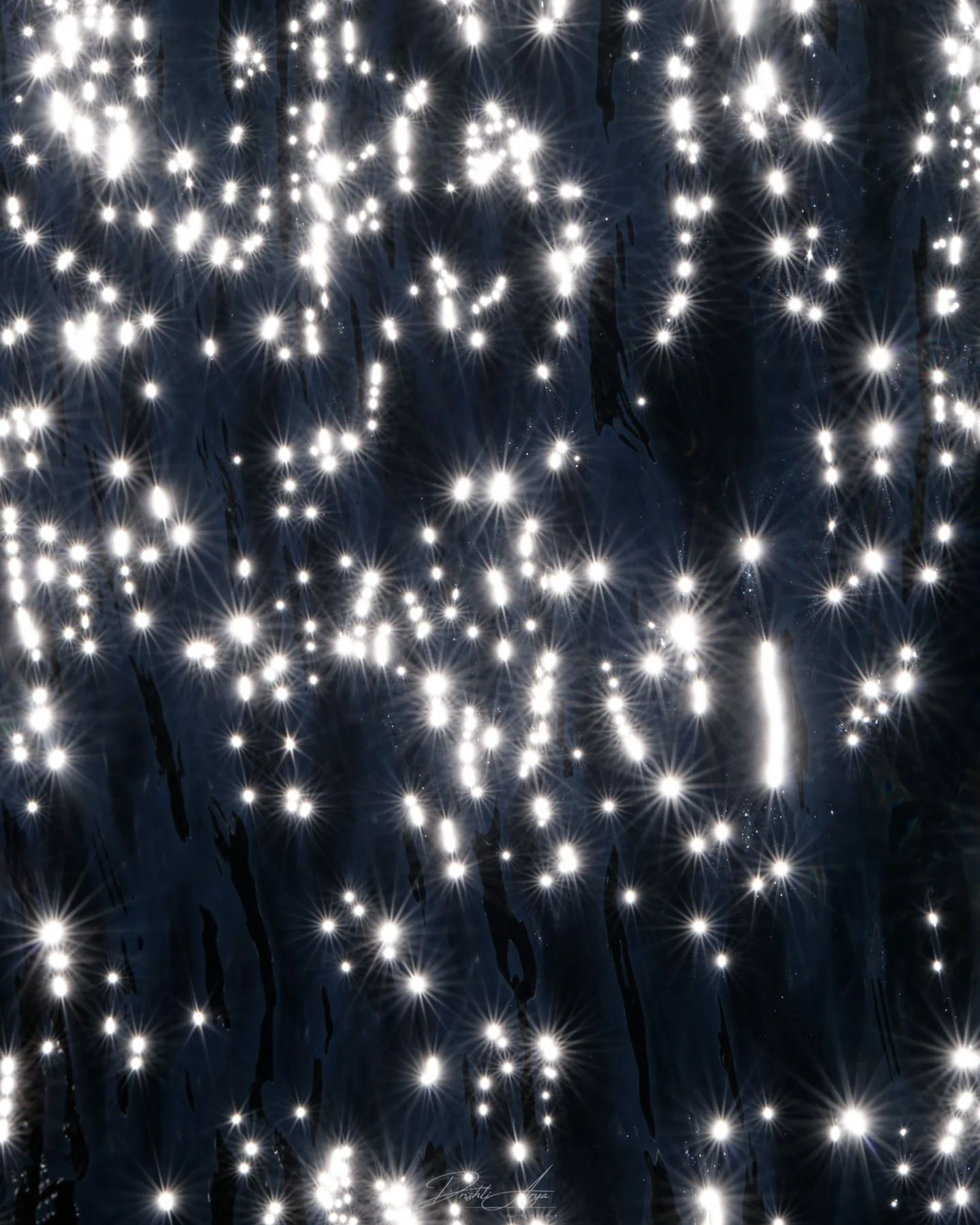
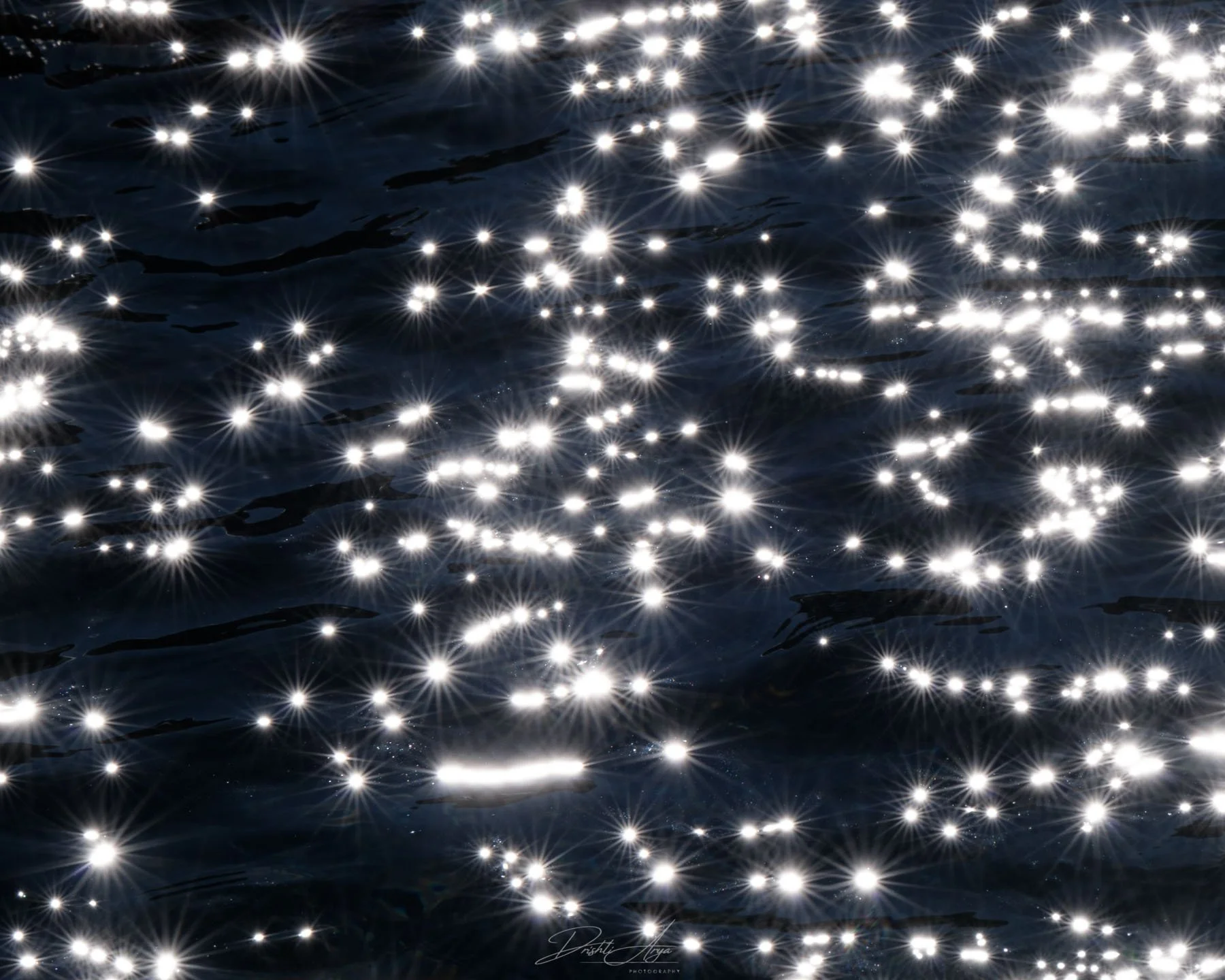
Reflections were often the easier of the two because the water's flow subtly revealed the illusion. Abstract patterns, however, offered no such clues. Rotating them completely changed the sense of depth and orientation, making the image feel less like a recognizable scene and more like an unanswerable question. Without obvious visual cues, the viewer is invited to pause, look more carefully, and piece together what they're seeing. That moment of curiosity often creates a deeper level of engagement than a photograph that reveals itself immediately.
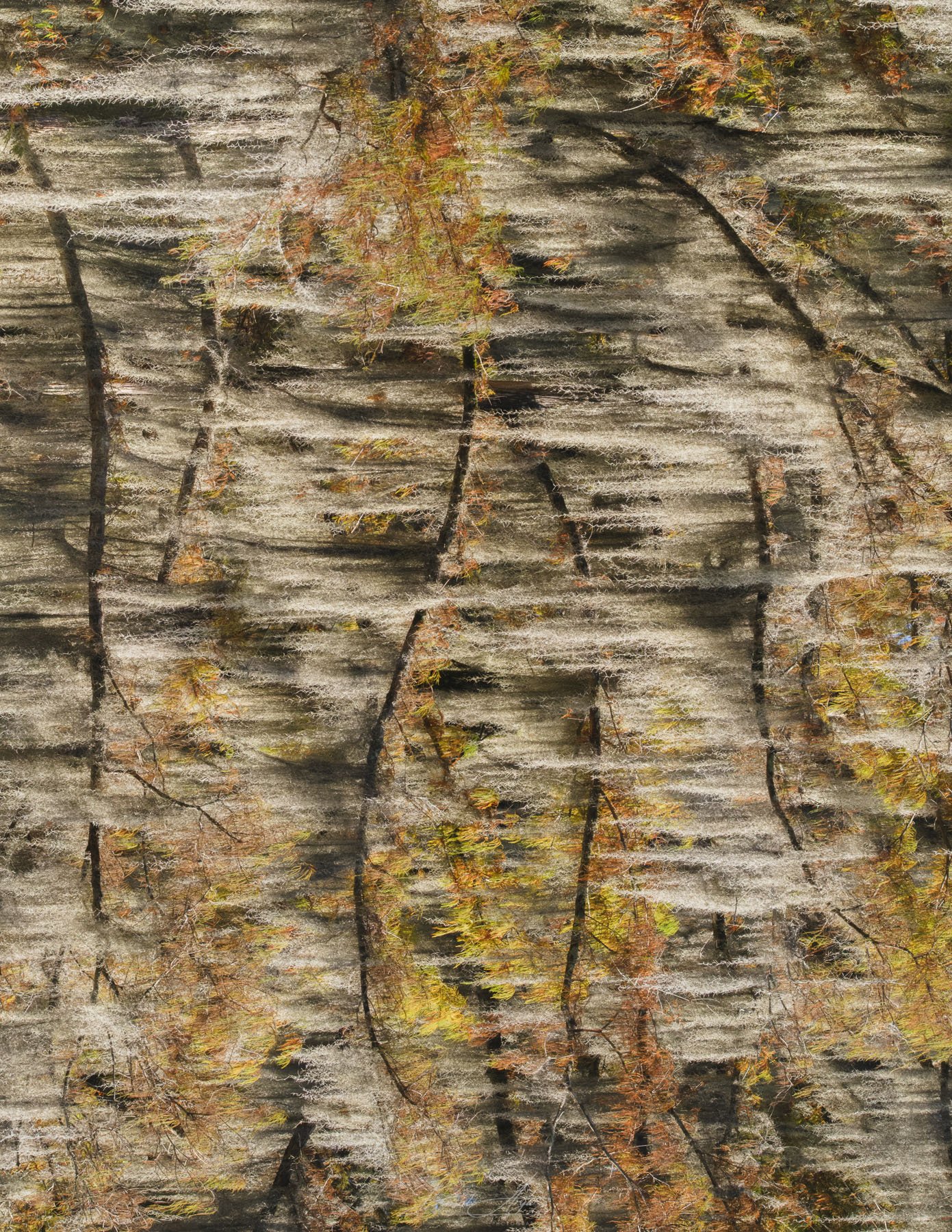
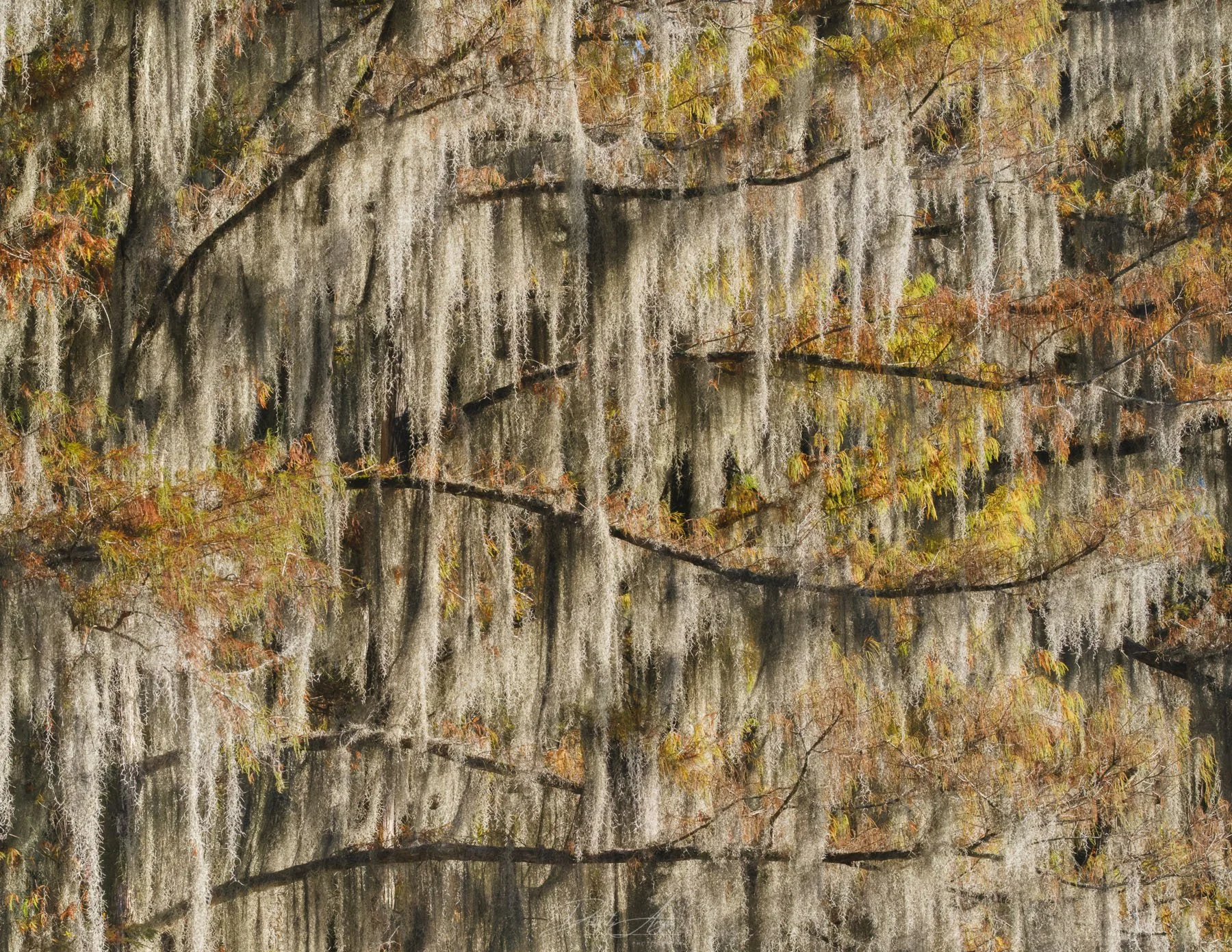
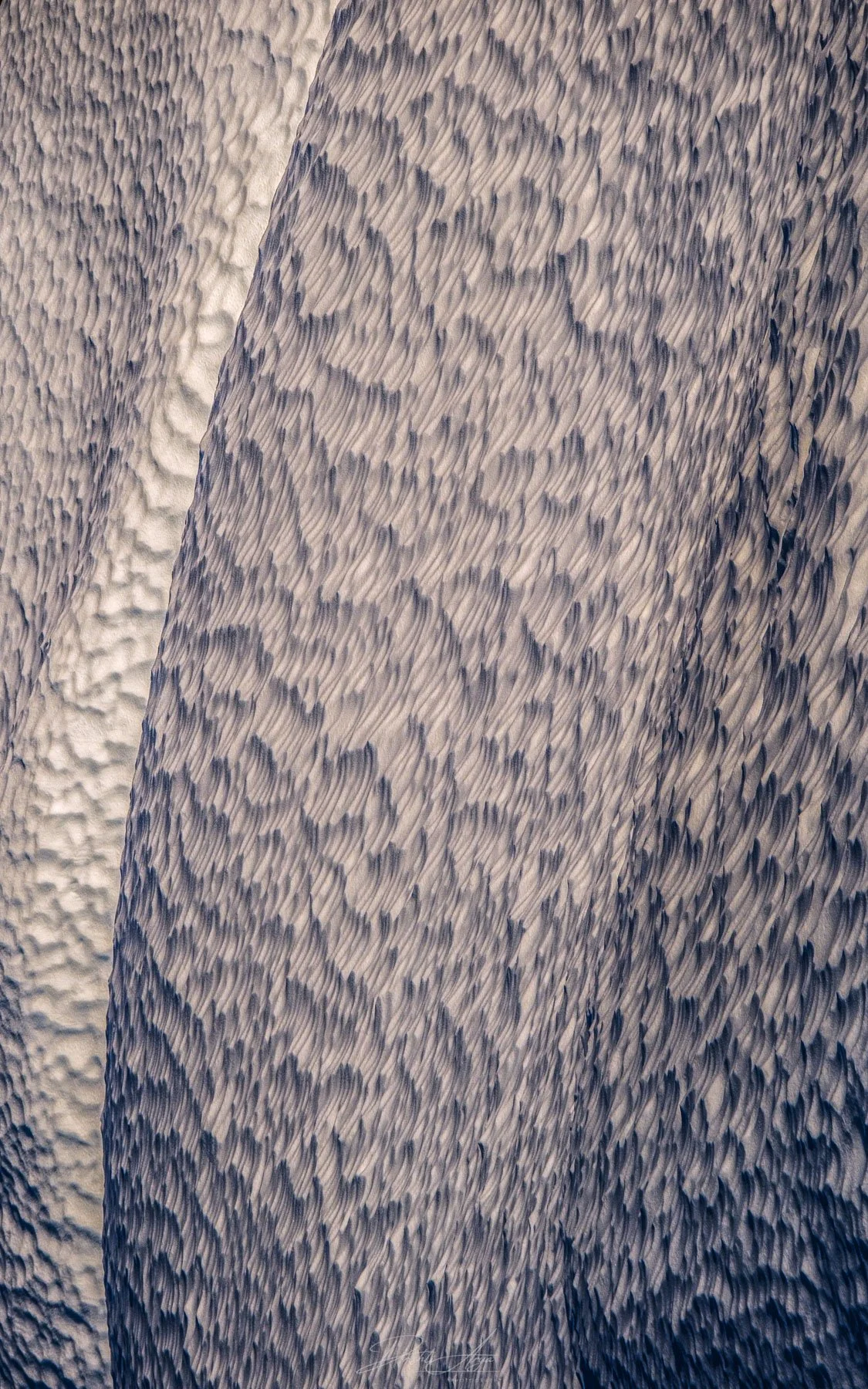
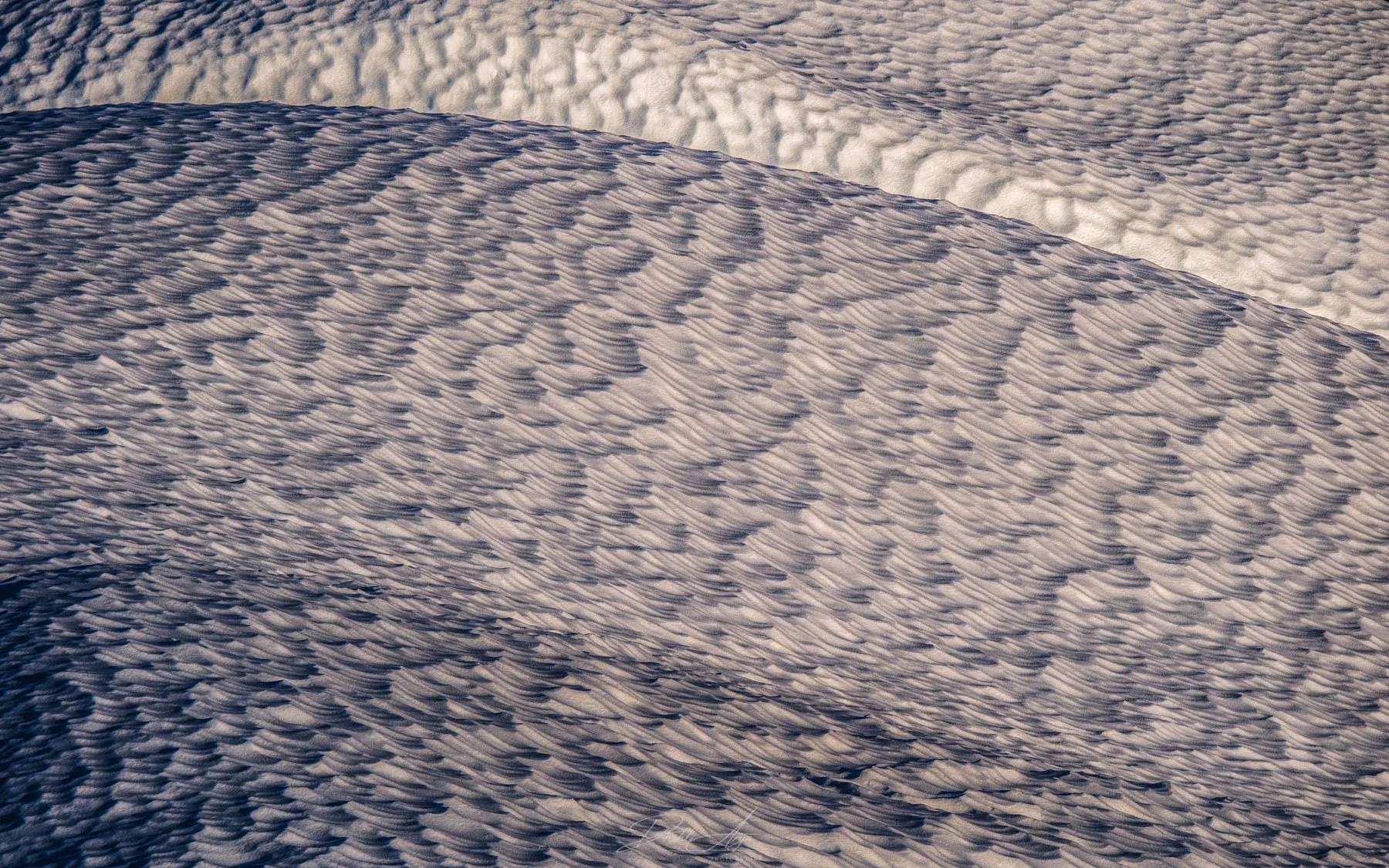
As I continued experimenting, I also discovered that some photographs worked in more than one orientation. Each rotation created a different experience, altering the sense of depth and balance, and changing how the viewer's eye moved through the frame. Rather than searching for the "correct" orientation, I began asking a different question: Which version tells the strongest visual story?
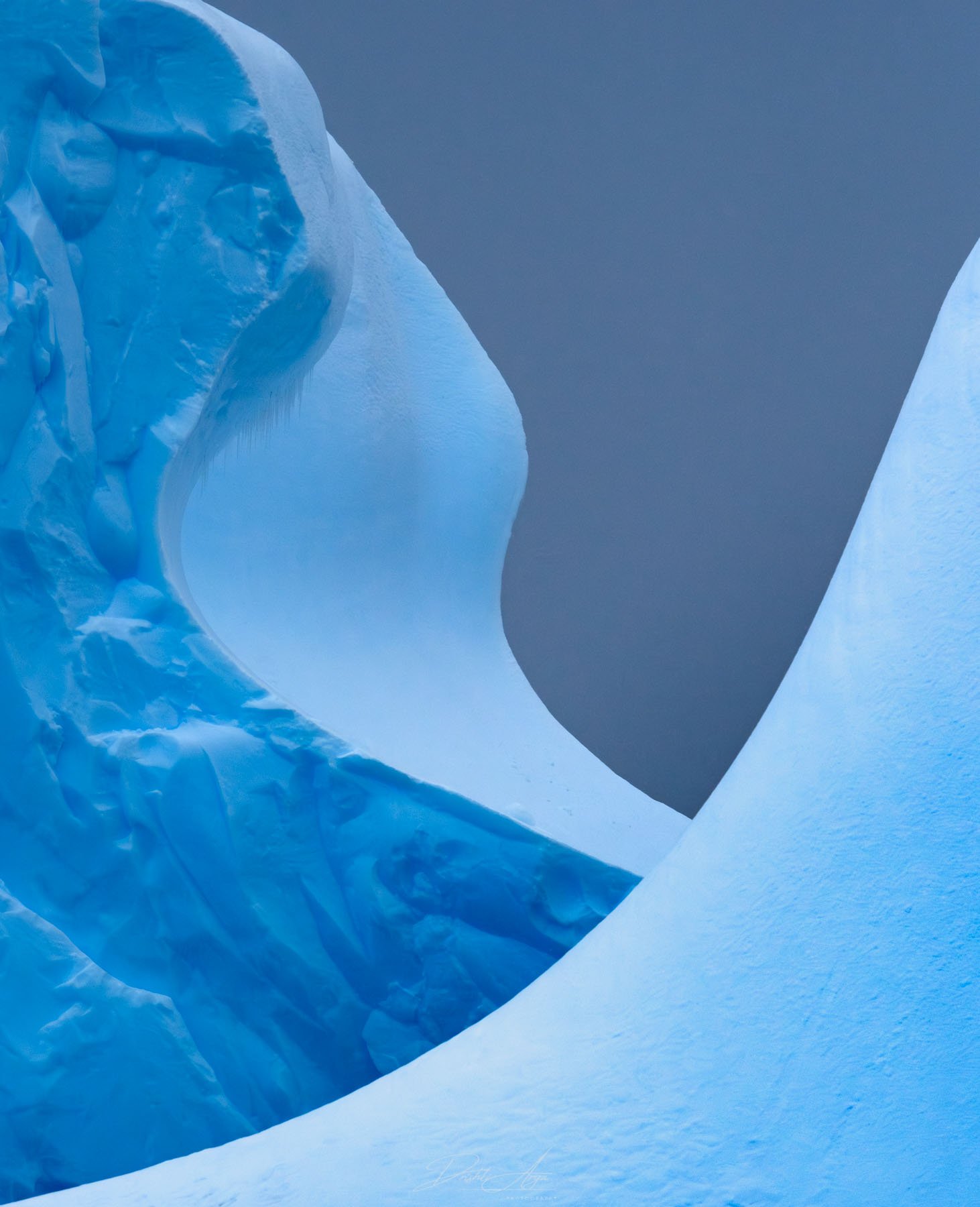
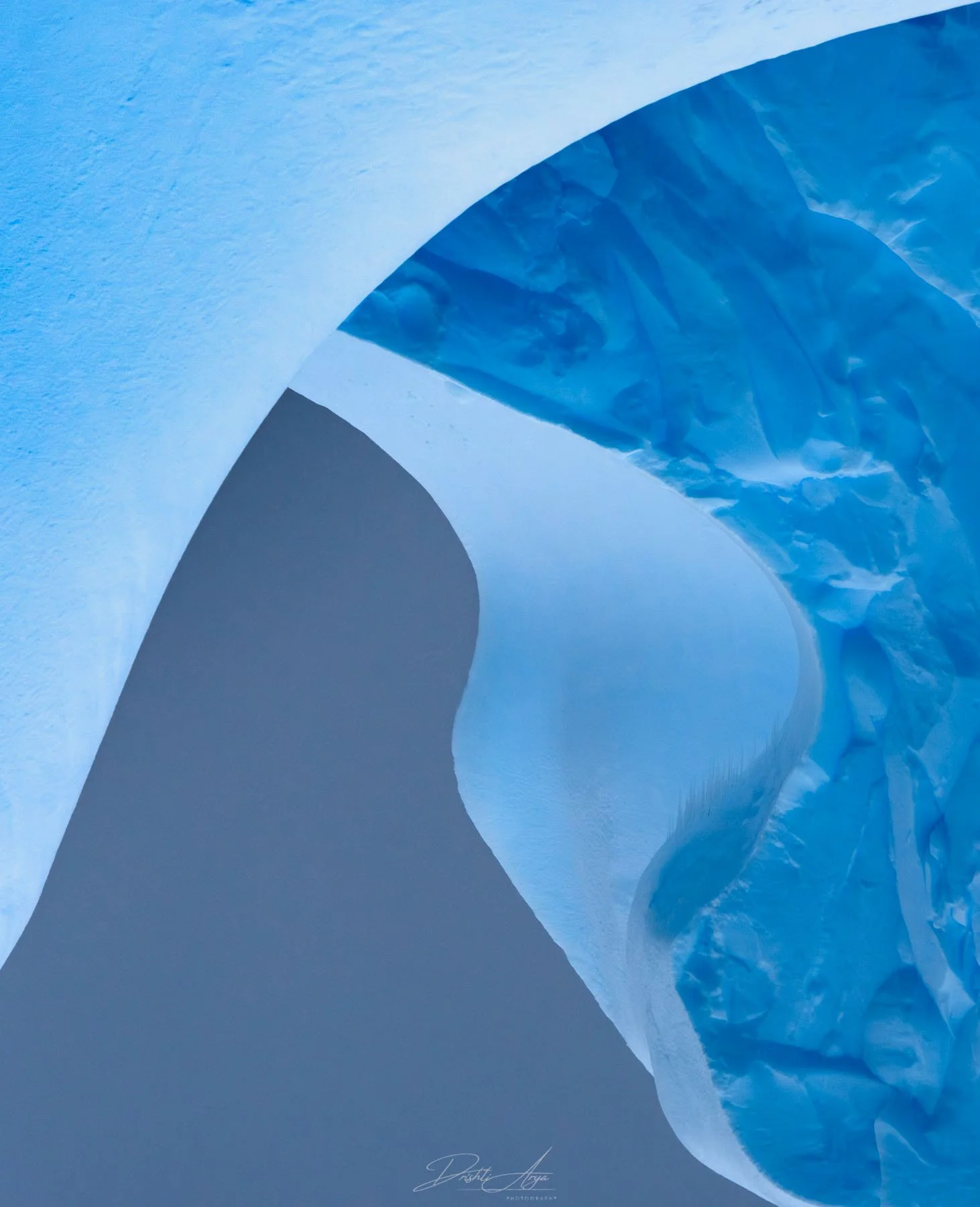

Pre-Visualizing the Final Image
With each experiment, I became more intentional; not just about rotating photographs in post-processing, but about recognizing images with the potential to be transformed.
Eventually, I reached a point where I knew, as I pressed the shutter, that the final image would be rotated. Instead of looking for obvious subjects, I began searching for shapes, patterns, and relationships that would become stronger in a different orientation.
A tree branch might read like a question mark.
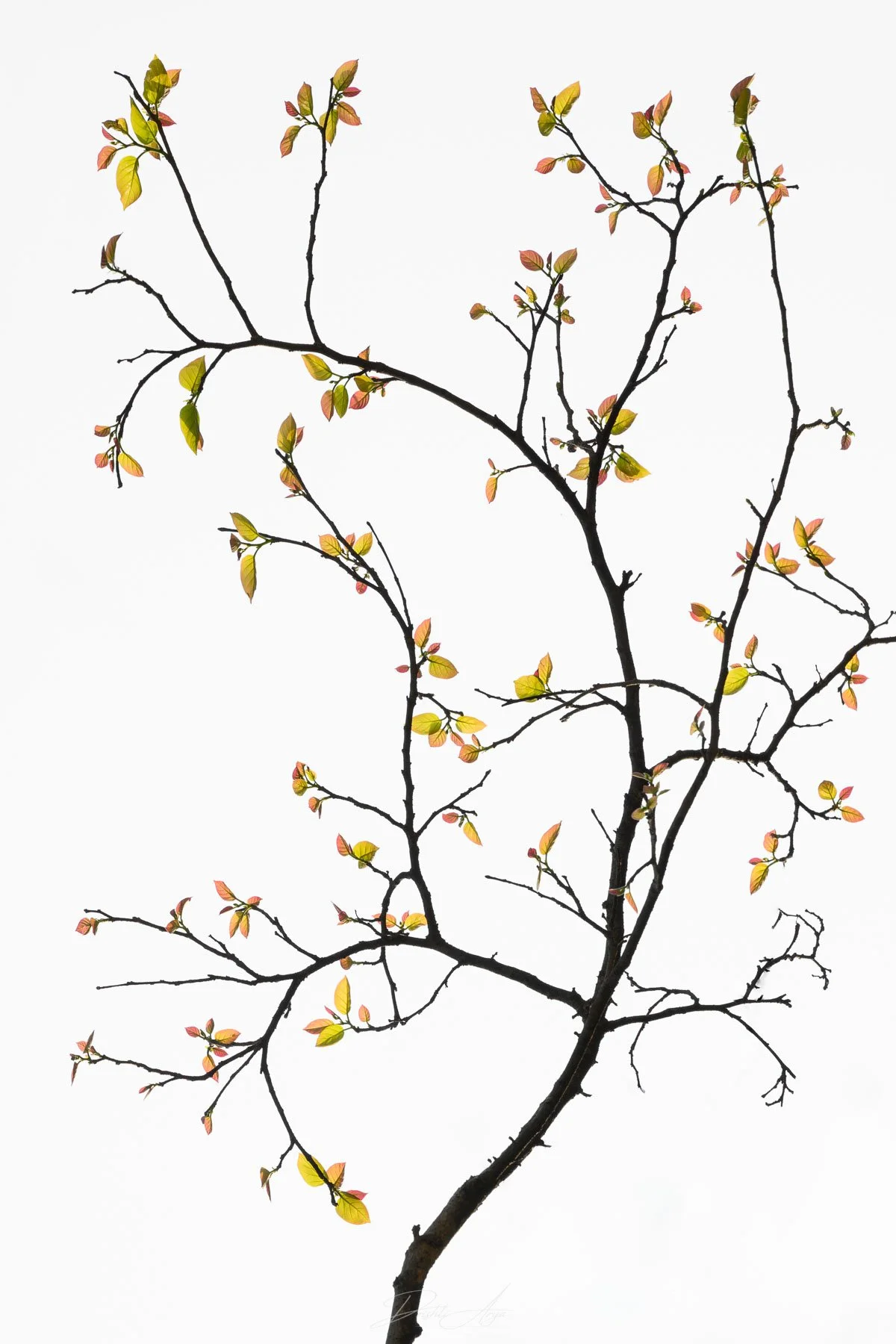
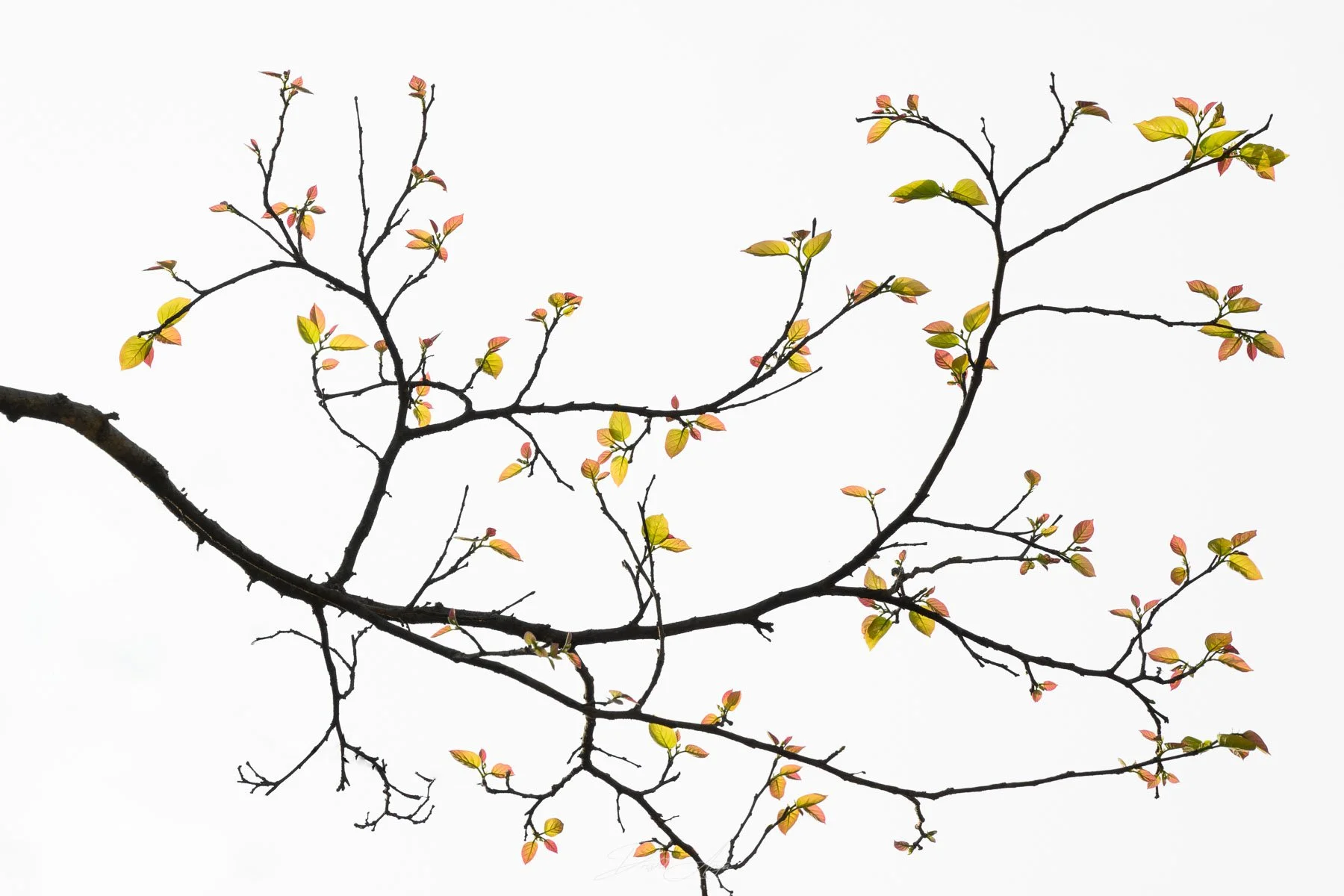
A triangular opening in a trunk could become an abstract focal point.
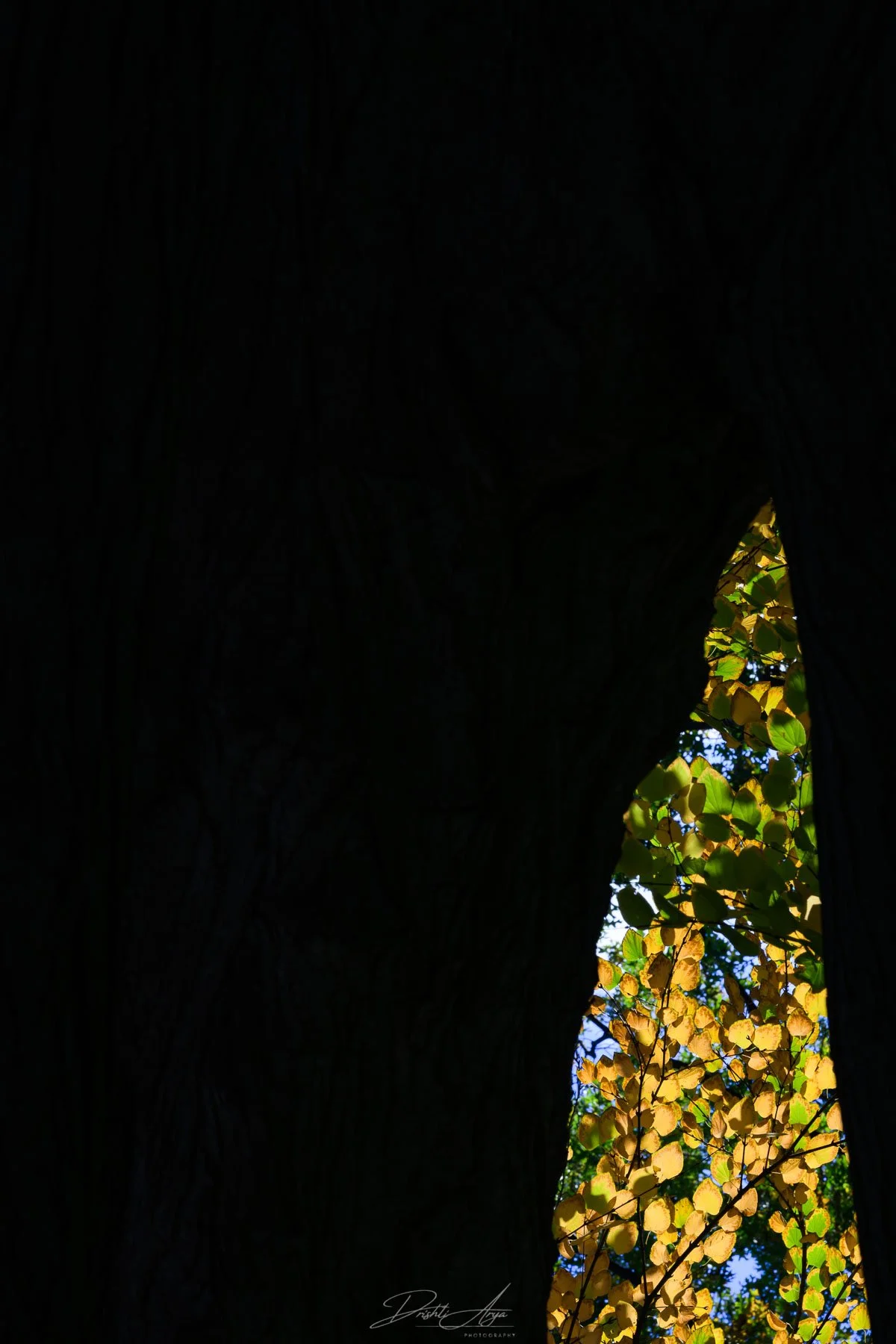
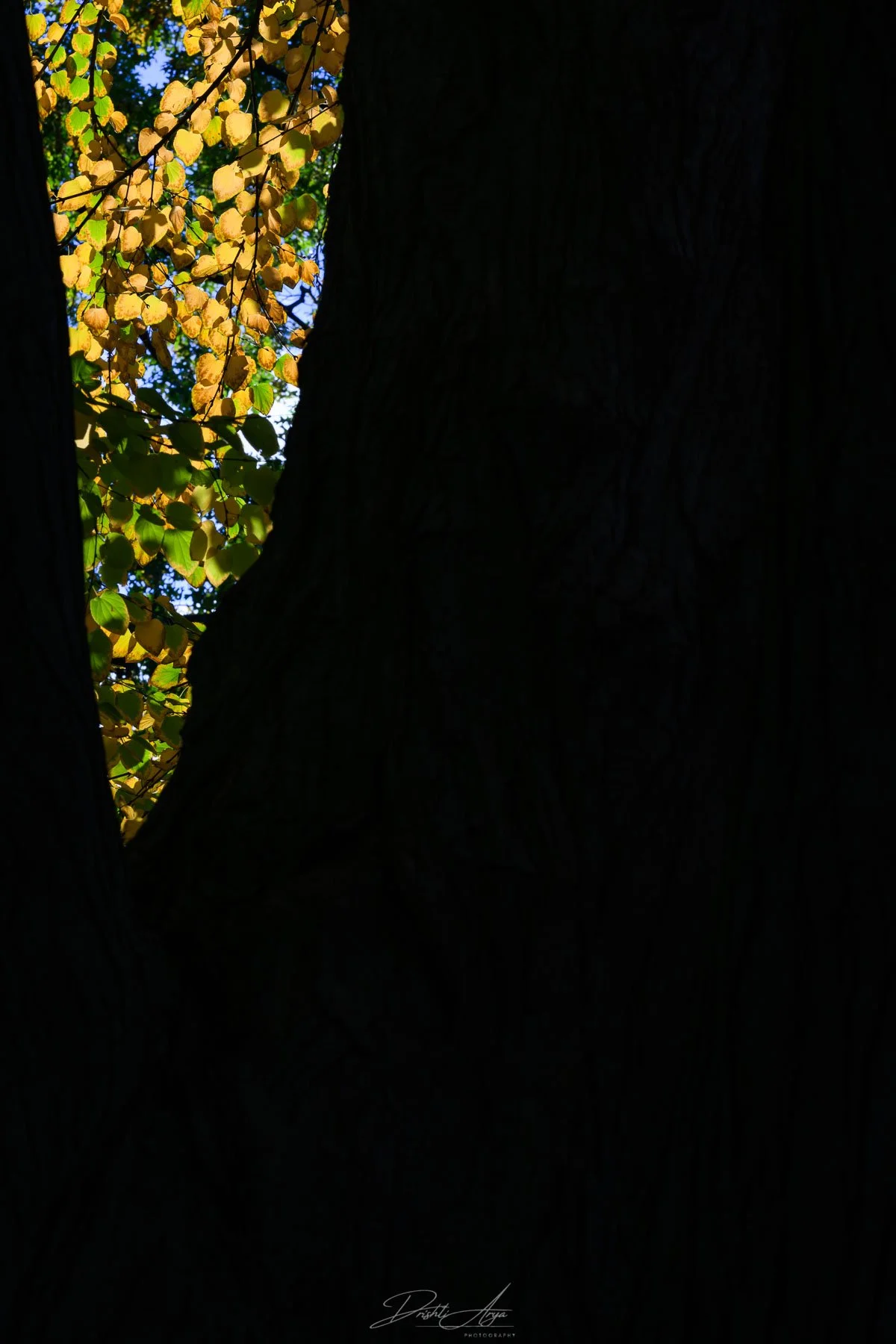
Shadows that felt flat in one orientation suddenly created a convincing sense of depth in another.
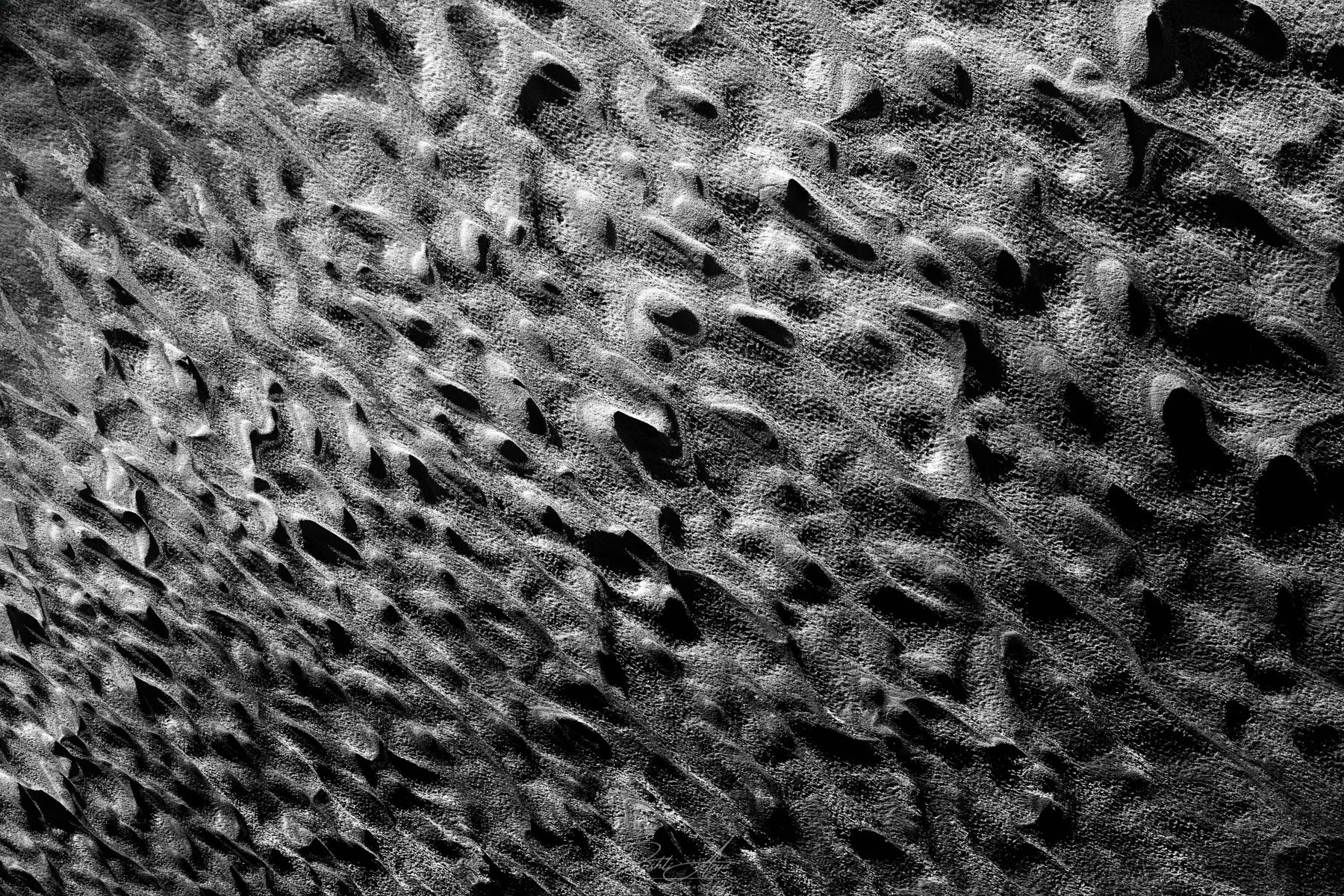
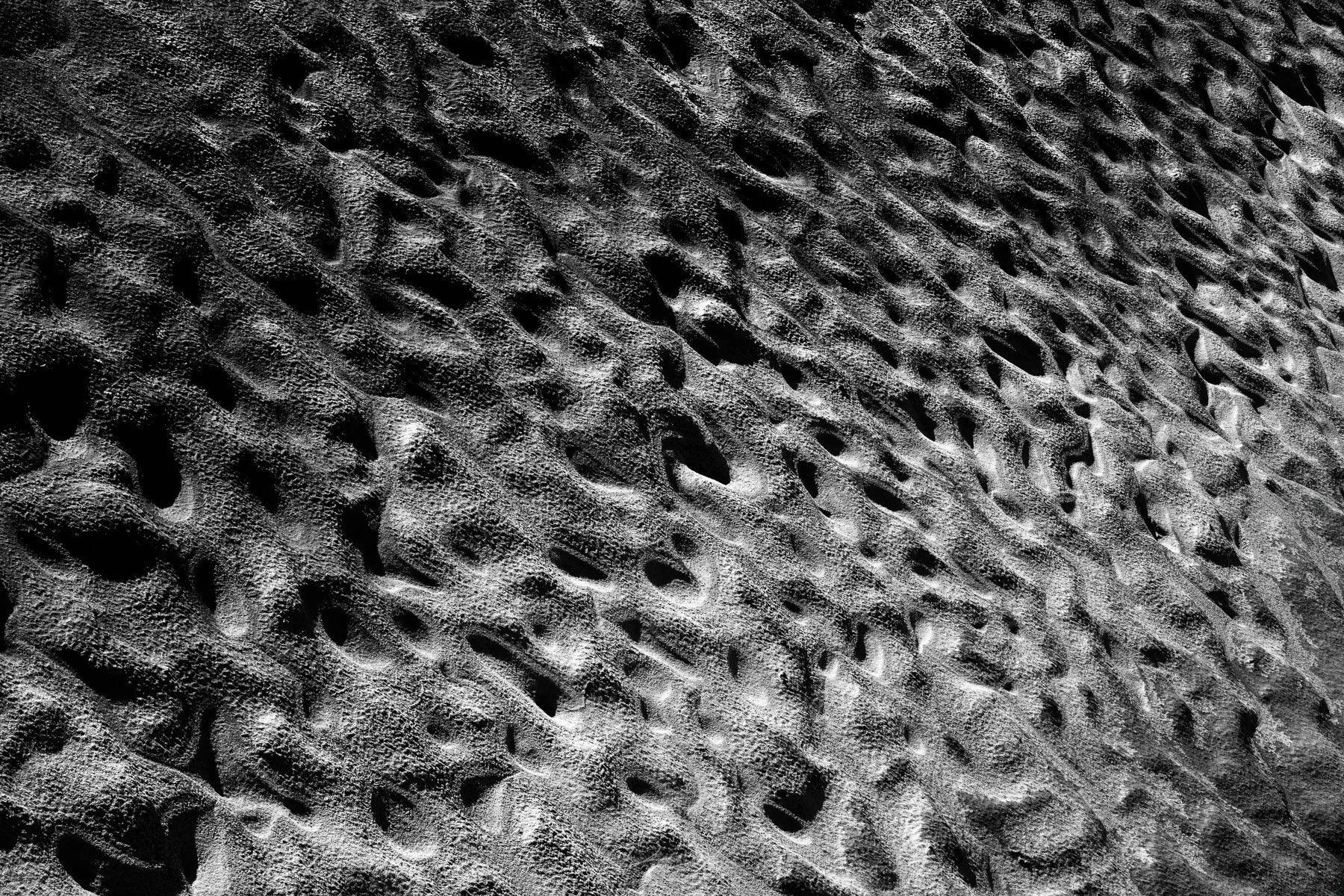
To confirm what I was seeing, I would often rotate my camera's LCD screen and review the image in the field. If the composition became more compelling when turned, I knew I had found the photograph I was looking for.
Looking back, this was the real transformation. Rotation was no longer an editing technique; it had become a way of seeing. It taught me to visualize possibilities beyond what was directly in front of me, long before I opened the image on a computer.
It’s more than a rotation
Beyond creating stronger compositions, I've found that this practice offers something even more valuable: permission to play.
Photography can sometimes become a process of following rules and pursuing familiar outcomes. Rotating an image invites experimentation. It encourages you to look at a scene from a different perspective, welcome unexpected discoveries, and remain open to possibilities that weren't apparent when the photograph was made.
Over time, this mindset has helped me create images that feel more personal and unique. A simple rotation can transform a recognizable landscape into something abstract, shifting the focus from documenting a place to exploring shape, pattern, light, and movement.
Perhaps most importantly, rotated images often create a moment of uncertainty for the viewer. They invite questions: What am I looking at? Which way is up? How was this made? That brief pause can encourage deeper engagement, turning the viewer from a passive observer into an active participant.
Now it's your turn
Revisit five images from your archive that you previously overlooked.
Before deleting an image, rotate it through all four orientations: 0°, 90°, 180°, and 270°.
Look for reflections, abstract patterns, shadows, and shapes that might become more compelling when rotated.
Compare multiple orientations and ask: Which version tells the strongest visual story?
Pay attention to how each rotation changes the viewer's eye flow, depth, and sense of balance.
Experiment without looking for a "correct" answer
Try pre-visualizing a rotated composition before pressing the shutter.
I'm curious what you'll discover. If rotating an image reveals something unexpected, send it my way. I'd love to see the photographs that surprised you.
Until next time!
Drishti
Enjoyed reading this newsletter? Share it with your friends!
